FAQ
Q: What is the main difference between a PCB and a PCBA in the context of an appliance?
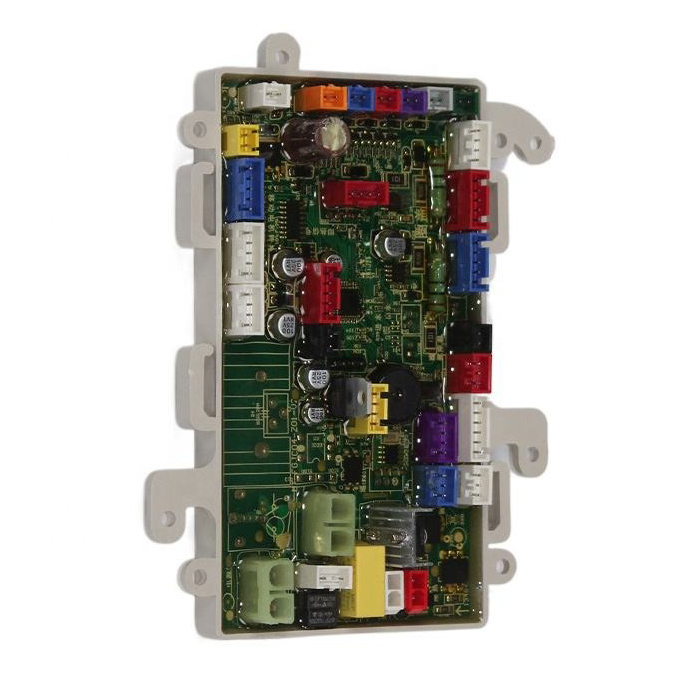
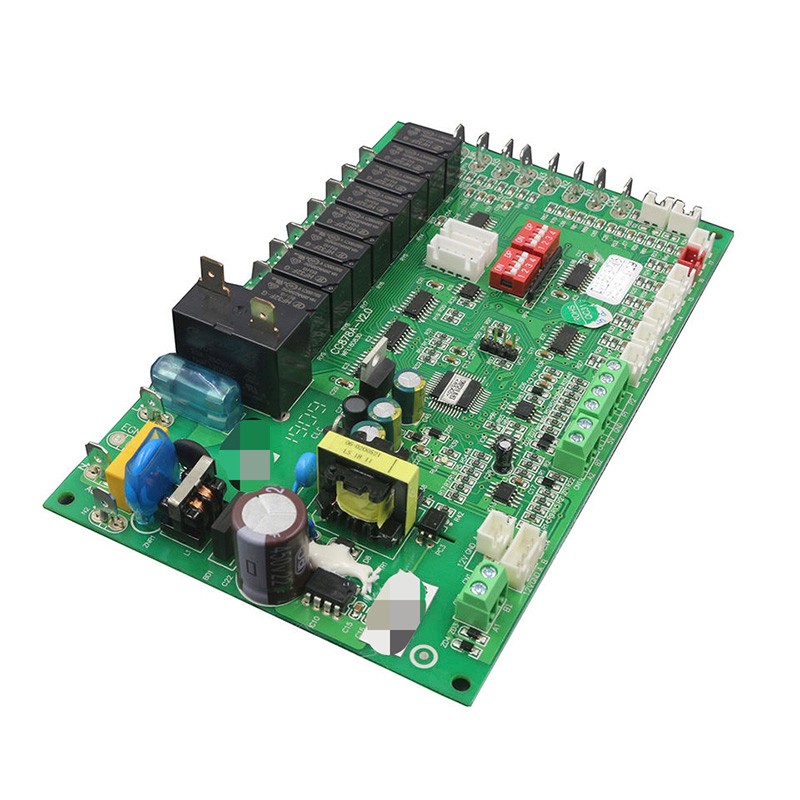
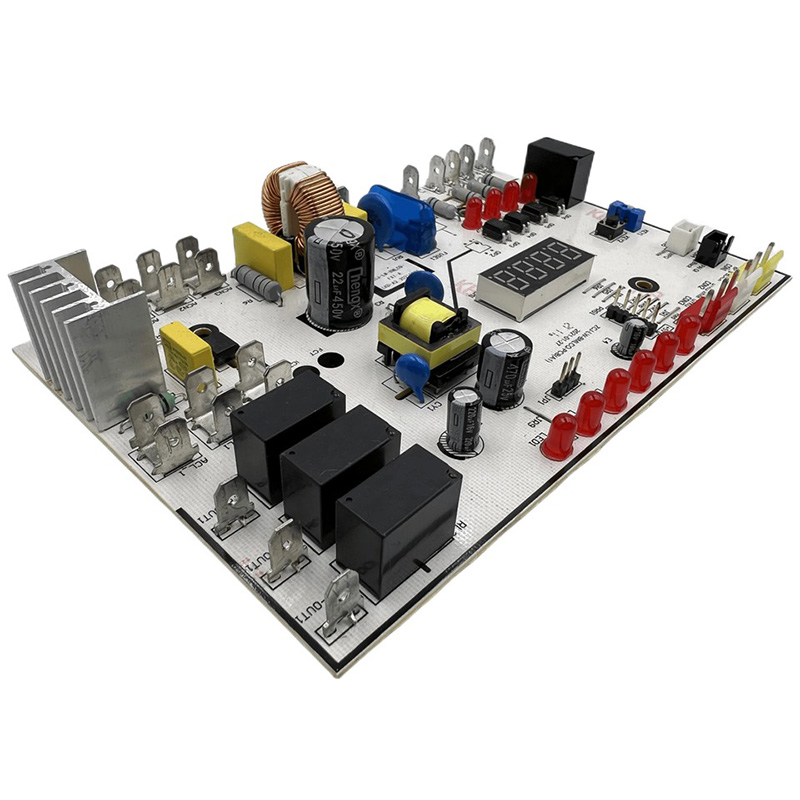
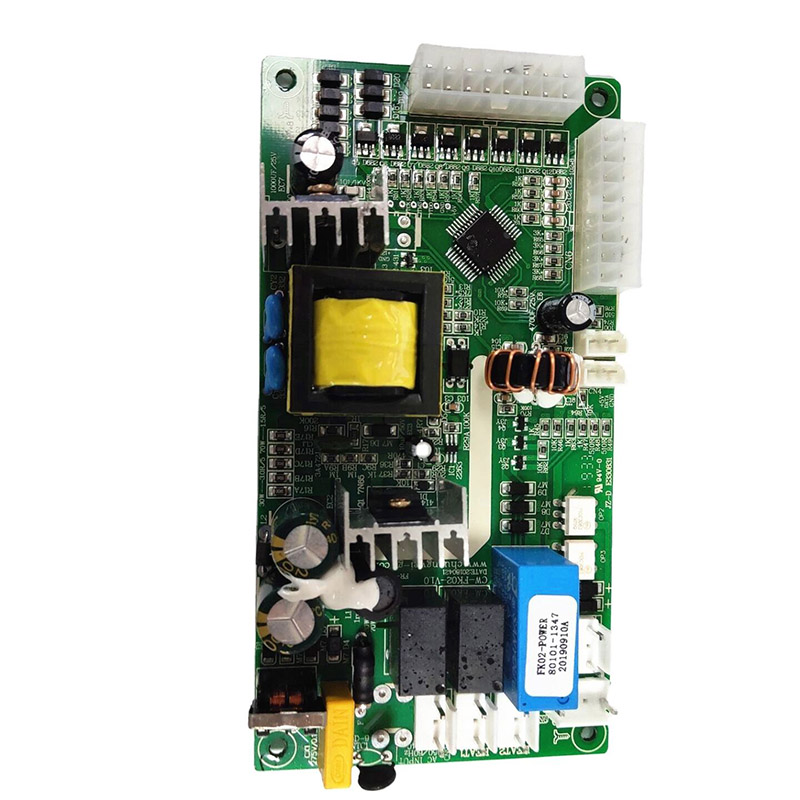
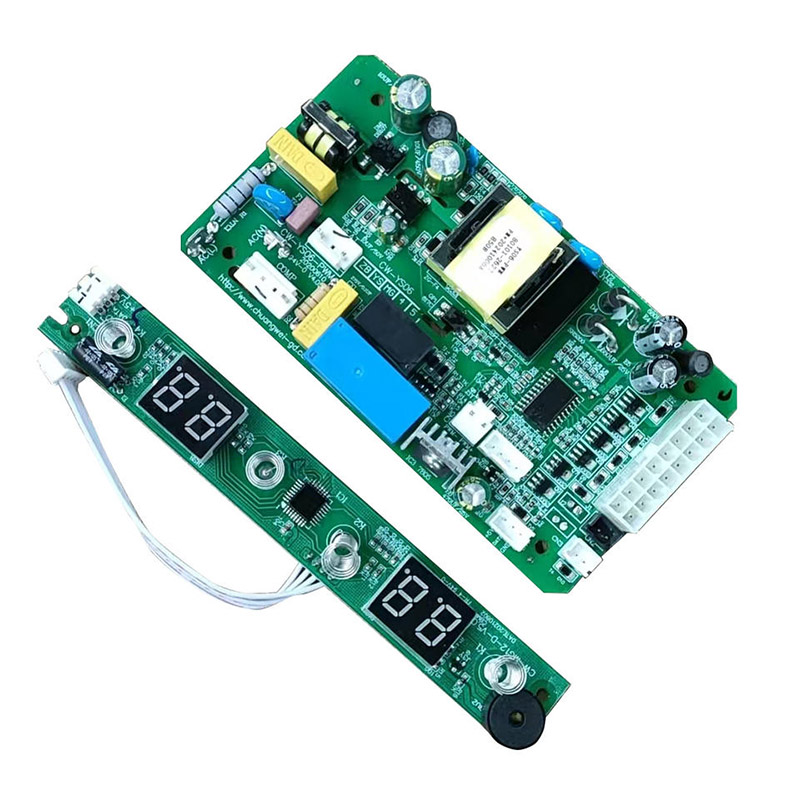
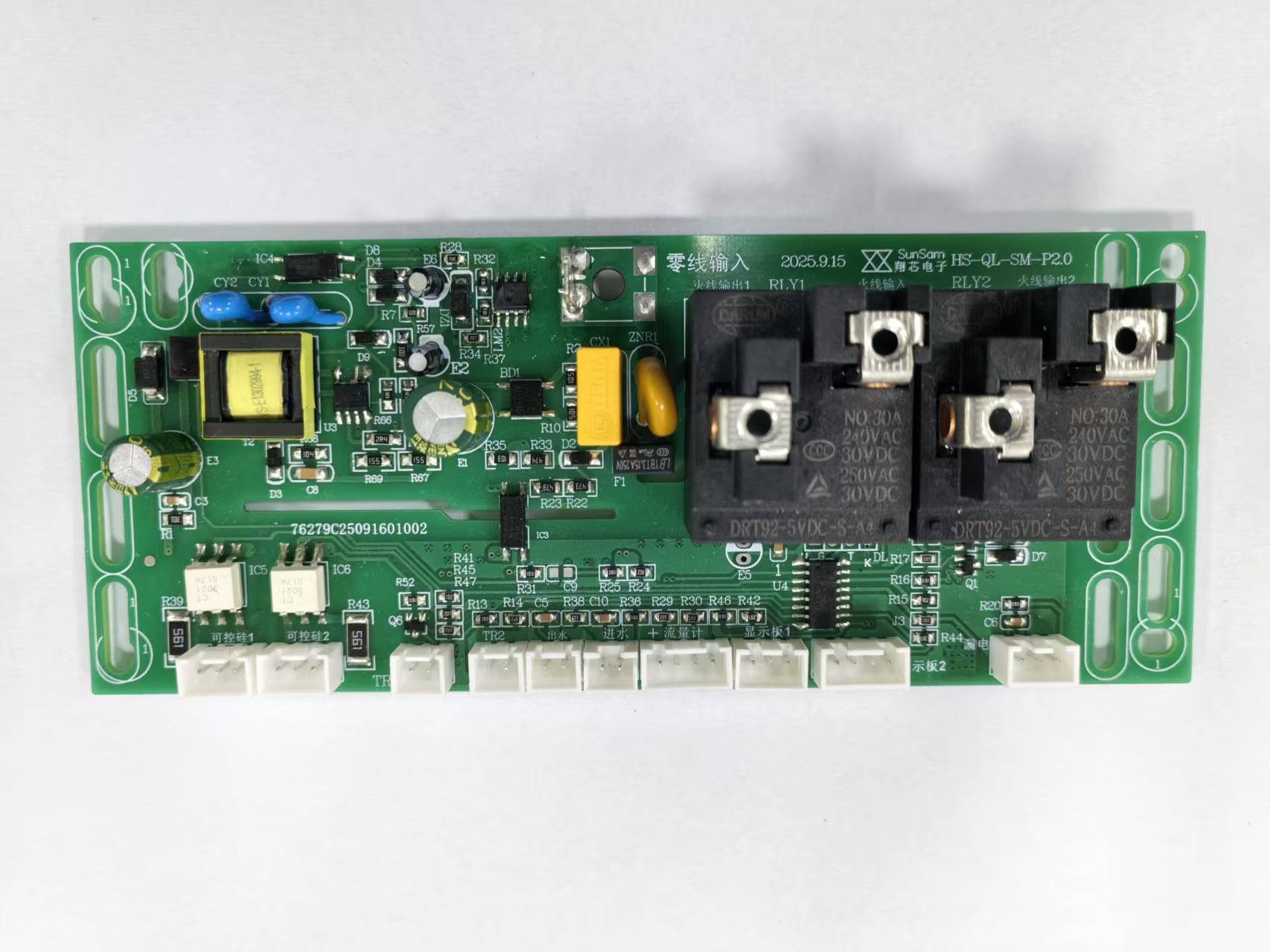
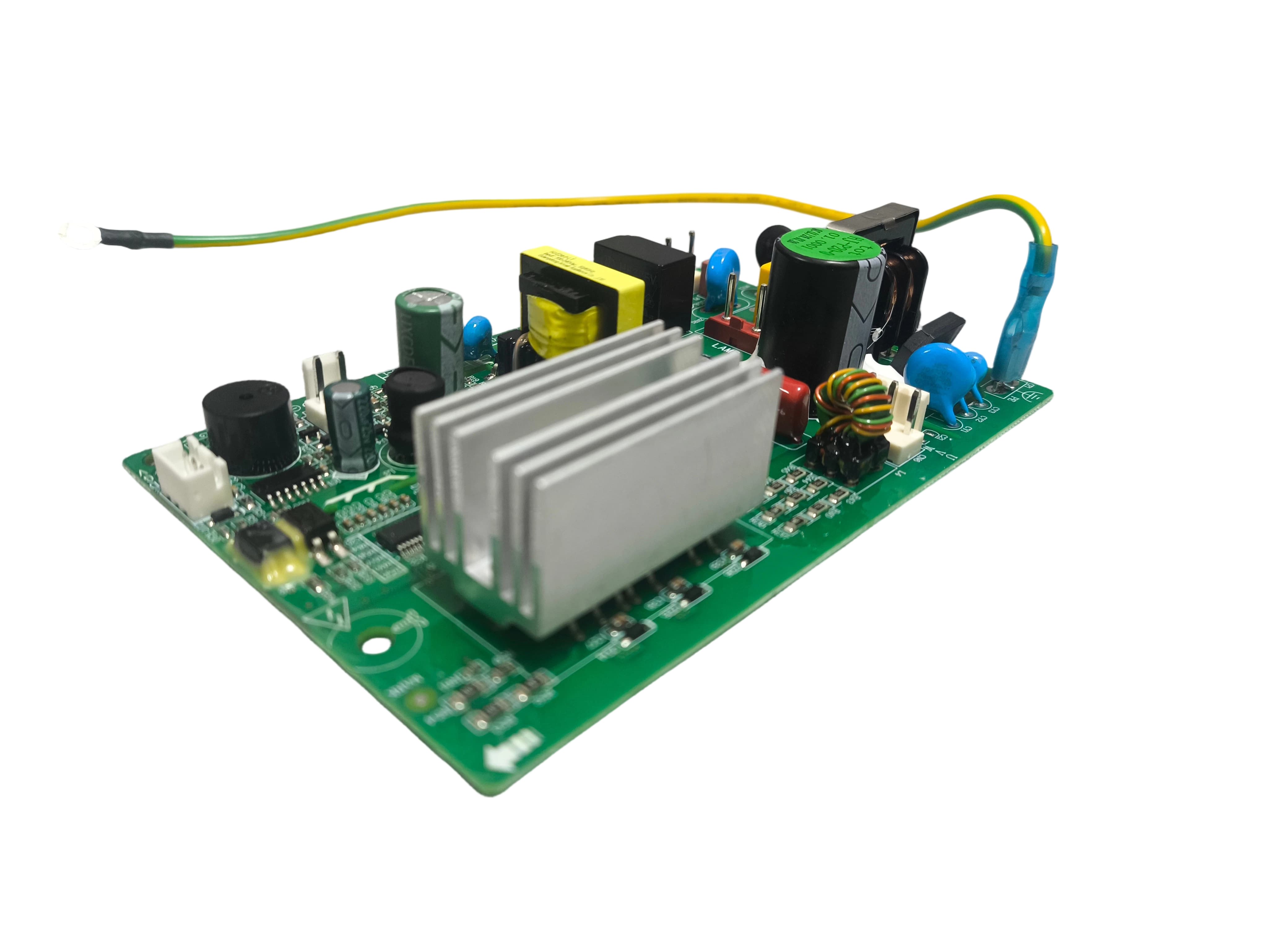
A: PCB is bare board with conductive pathways printed on it. PCBA stands for Printed Circuit Board Assembly. It's a finished, working product with all the chips, resistors, and connectors soldered on the board. When you put a control module into a dishwasher, you are fitting the entire PCB + surface-mount components, not just the PCB.
Q: Why can't a standard, generic PCBA be used in different types of cleaning appliances?
A: Different devices have different working profiles. A washing machine PCBA is designed to handle high-torque motor control for the drum and accurate water level sensing. A dishwasher PCBA, along with water management, is more about controlling the heating elements, spraying arms sequence and releasing detergents. Each has a unique circuit design and component selection that is required to optimally perform the task it was created to do as well as efficiently using energy.
Q: How does the trend towards smarter appliances impact PCBA design for this category?
A: Adding smart features makes things much more complicated. A modern PCBA now has to have a microprocessor that can handle processing power for running connectivity protocols like Wi-Fi or Bluetooth, as well as having the processing power to allow for over the air updates, and process the extra data from the added sensors. It takes a more advanced design for components to lay out, signals to be intact, and power to manage so that the new digital functions can live well together with the main appliance controls.


 Whatsapp