SUNSAM Approach for PCBA Design
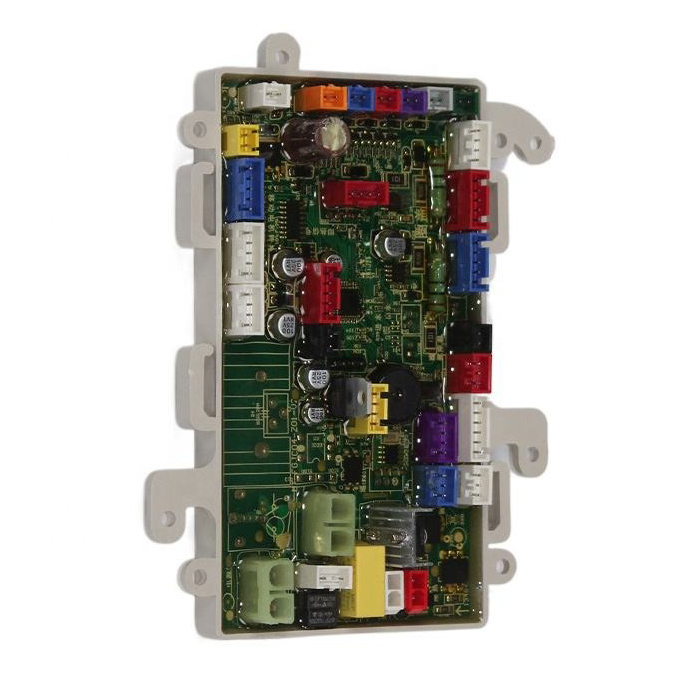
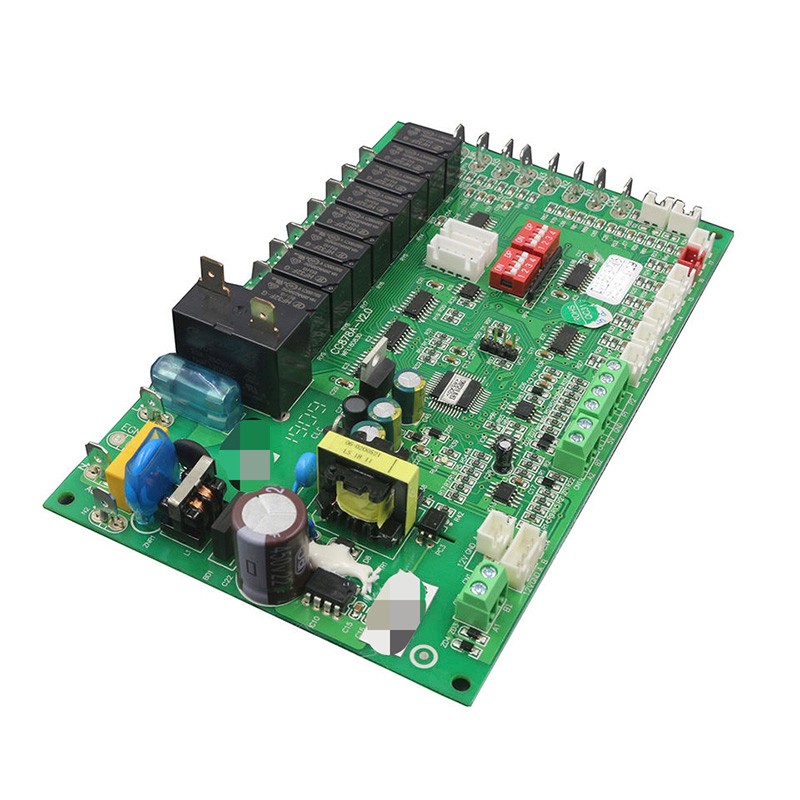
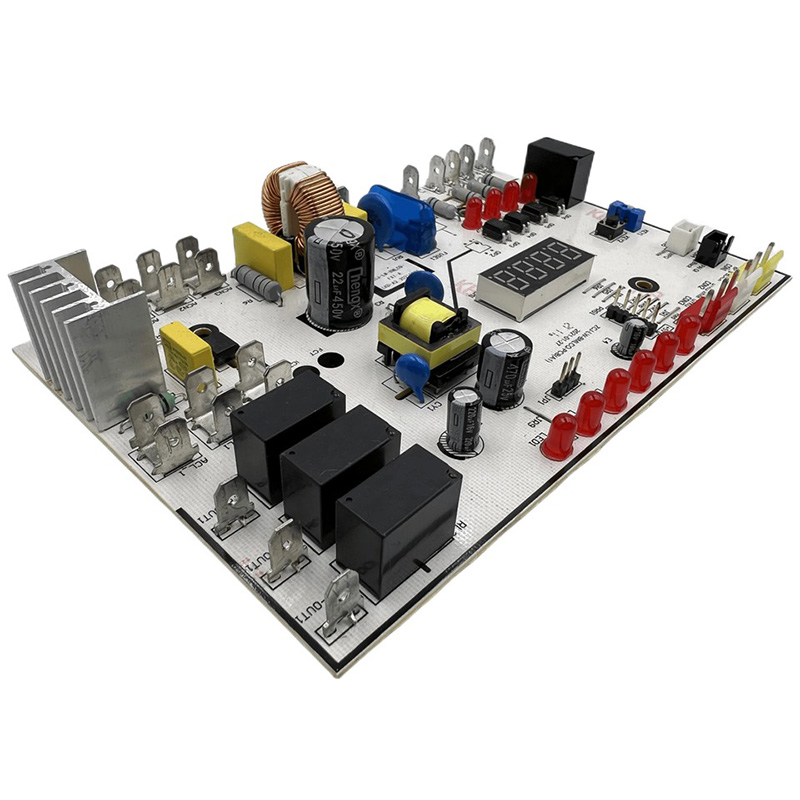
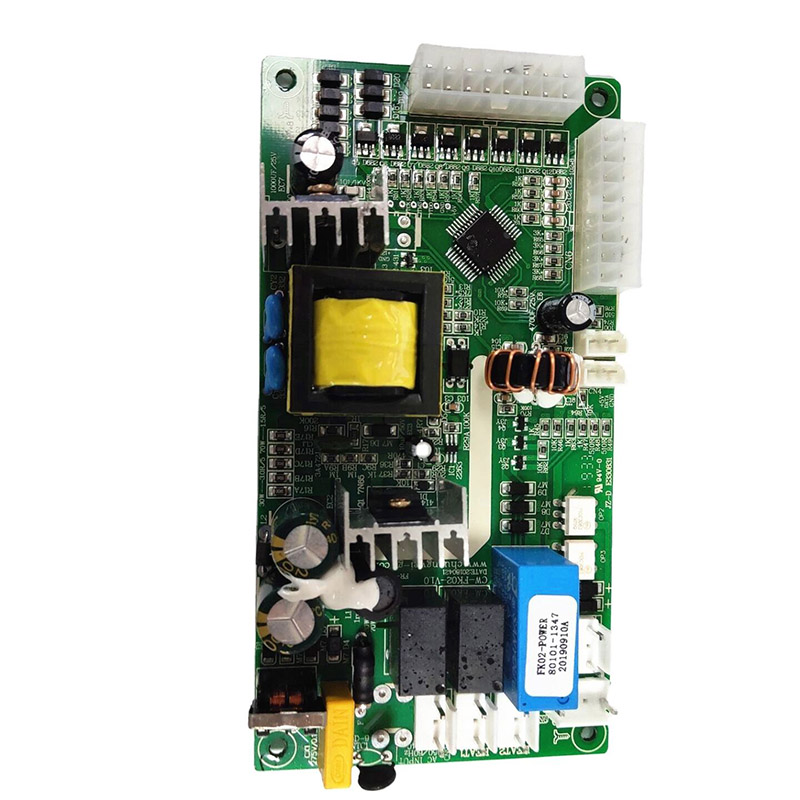
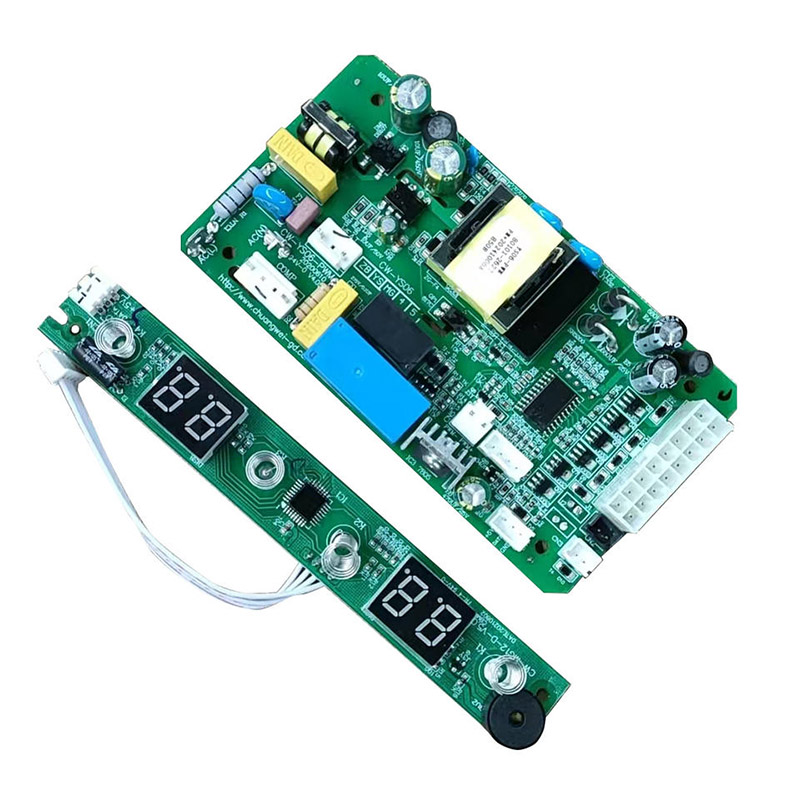
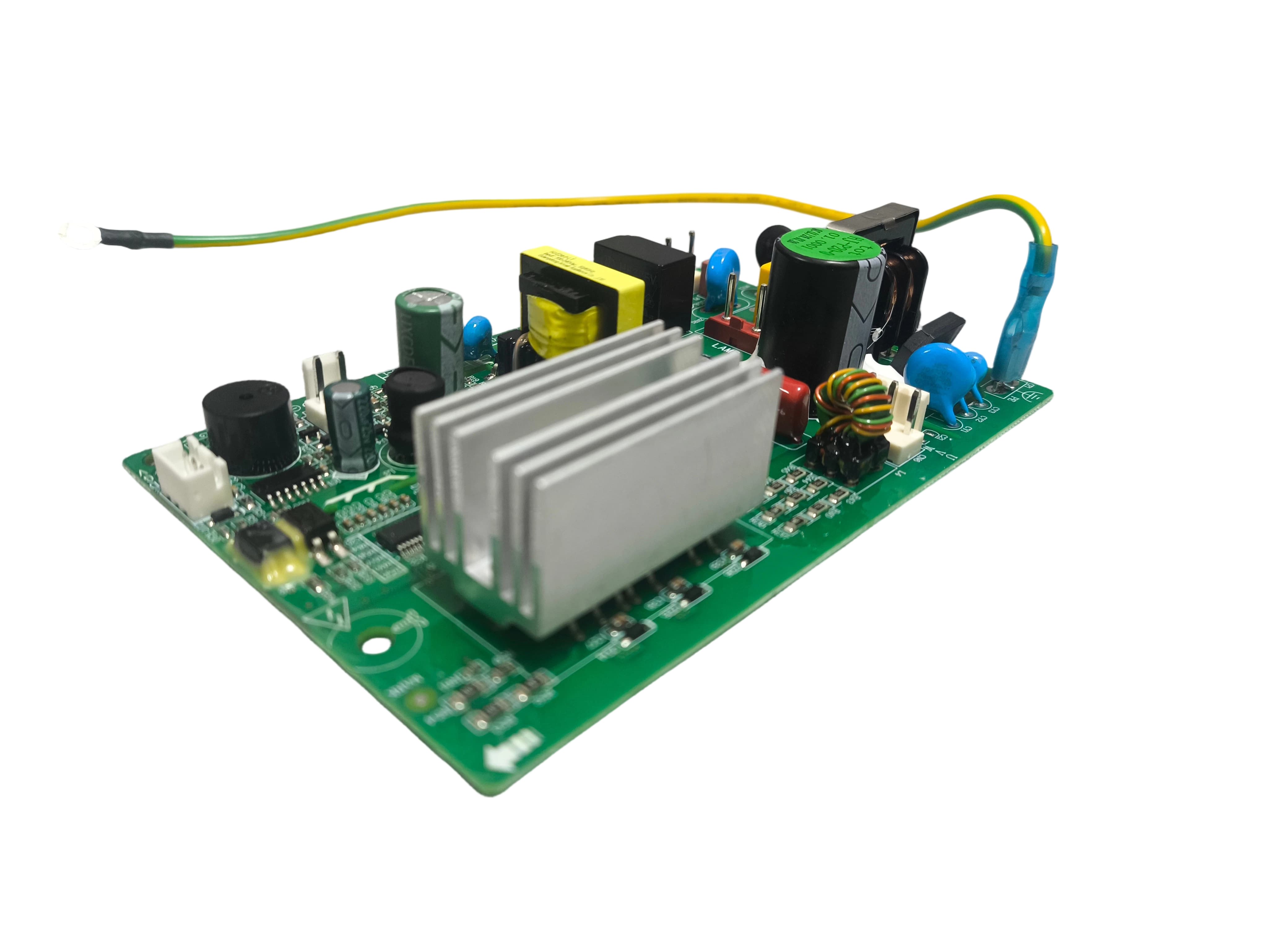
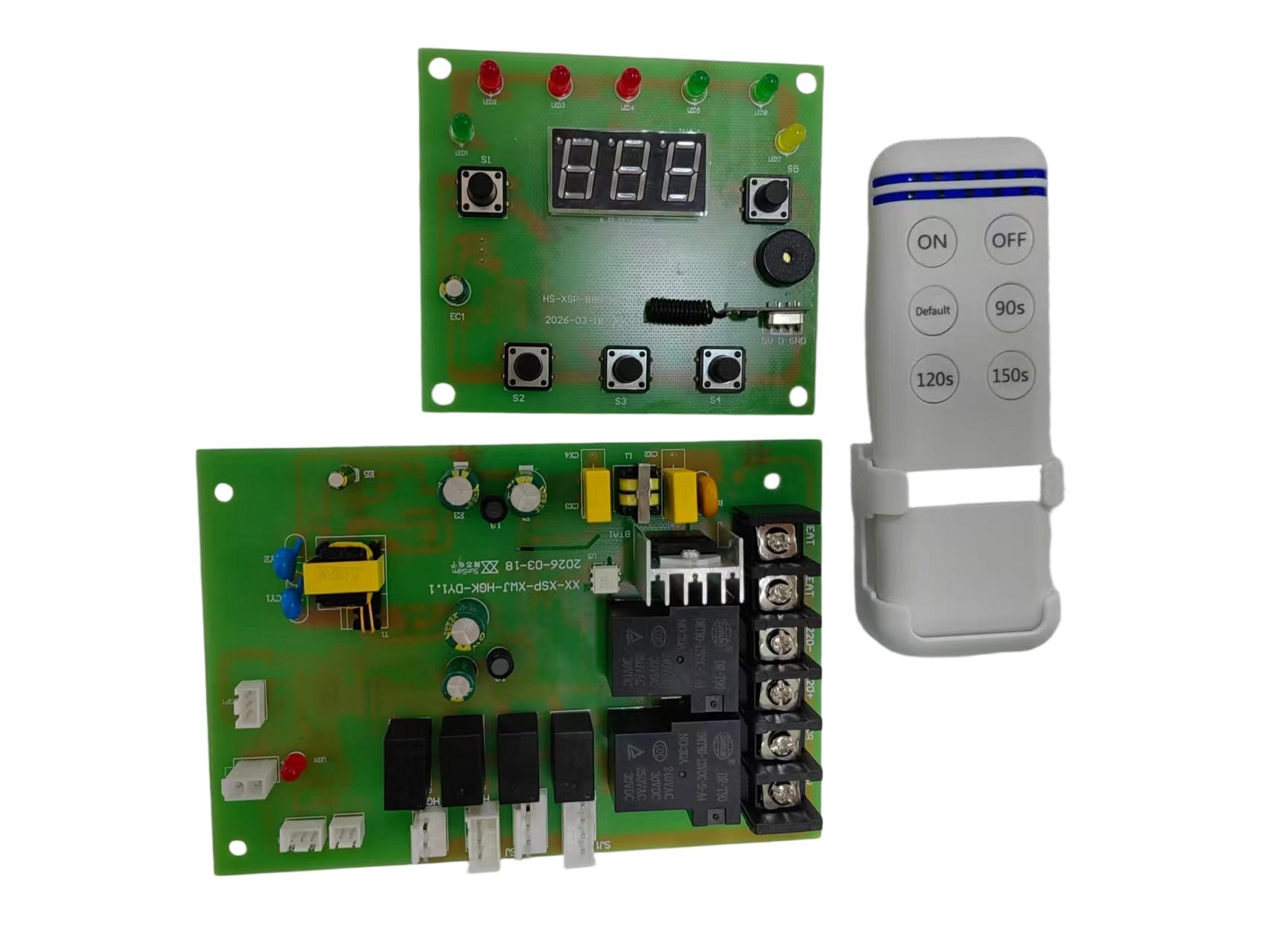
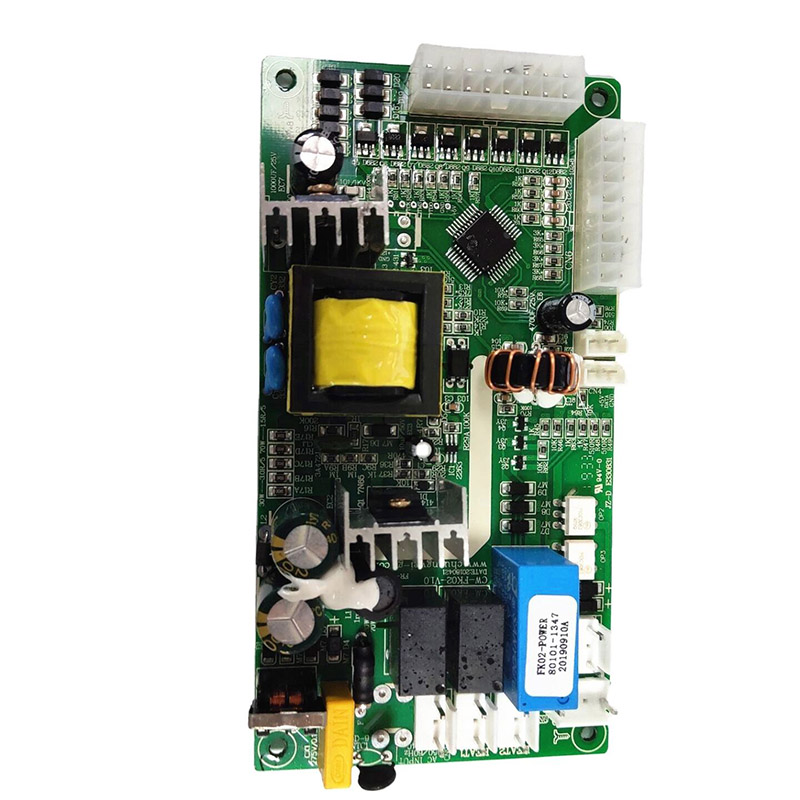
At SUNSAM, we focus on creating strong, smart PCBAs for wine cabinets. We take a complete view of all the wine cabinets demands:
Environmental stability, we make circuits that are exact for sensing sensors and controlling actuators so that it’s not only keeping the right temperature, but also having that humidity at a happy place, 60 to 70 percent, where those corks don’t get too dry.
Material and longevity: Realizing wine cabinets are long-term investments, SUNSAM uses parts and processes that withstand the faint rumbles of compressors and foster resilience in a constant, cool setting.
Functionally Integrating It All: It could be as simple as a hushed compressor system, UV-coated LED lighting, or even high-level glass door defrosting. Our PCBA designs are all about making sure that everything works together. For companies trying to buy a Wine Cabinet Refrigerator PCBA, this unified design thought becomes a united last item.
FAQ
Q1: What are the main technical challenges for Dual-Zone Wine Cabinet PCBA design?
The main challenge is making it truly independent. Earlier designs often allowed for cooling in one area to affect another, which was unstable. To stop this "cross-talk" and have two different, steady climates, a fancy Dual-Zone Wine Cabinet PCBA needs to handle different sensors, control plans, and output signals for two cooling systems (or dampers).
Q2: What are the special design considerations for a built-in wine cabinet PCBA?
Built-in units have their own problems when it comes to getting rid of heat and making space. Unlike the freestanding variety, these are enclosed inside cabinetry with little airflow. The built-in wine cabinet PCBA is required to be designed to work in a potentially warmer ambient environment, and is typically physically constrained to fit into a narrower or oddly-shaped chassis, leading to impacts on component placement and routing.
Q3. How does this PCBA maintain the taste of wine?
The PCBA protects the wine from light and vibration by providing a barrier that blocks out both elements. The PCBA acts as a shield for the wine, keeping it safe from the harmful effects of light and vibration.
The PCBA itself does not block the light but it controls the lights. It can be programmed to use lower heat, UV-free LED lights, and limit the amount of time the lights are on. As for vibration, the PCBA is responsible for starting and stopping the compressor. Designs can include soft-start algorithms and control variable-speed compressors to reduce the disturbing vibrations of the wine sediment and aging.


 Whatsapp