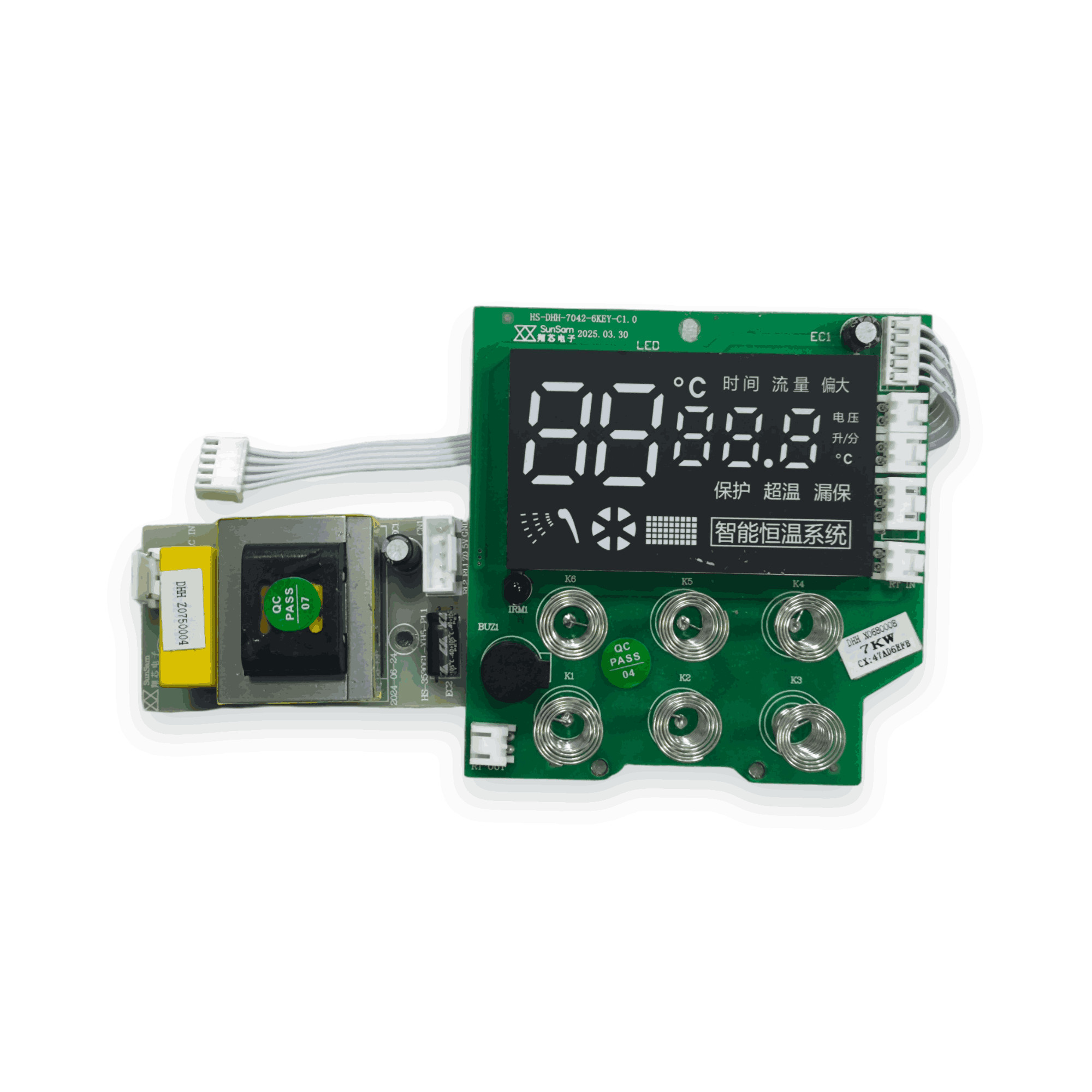
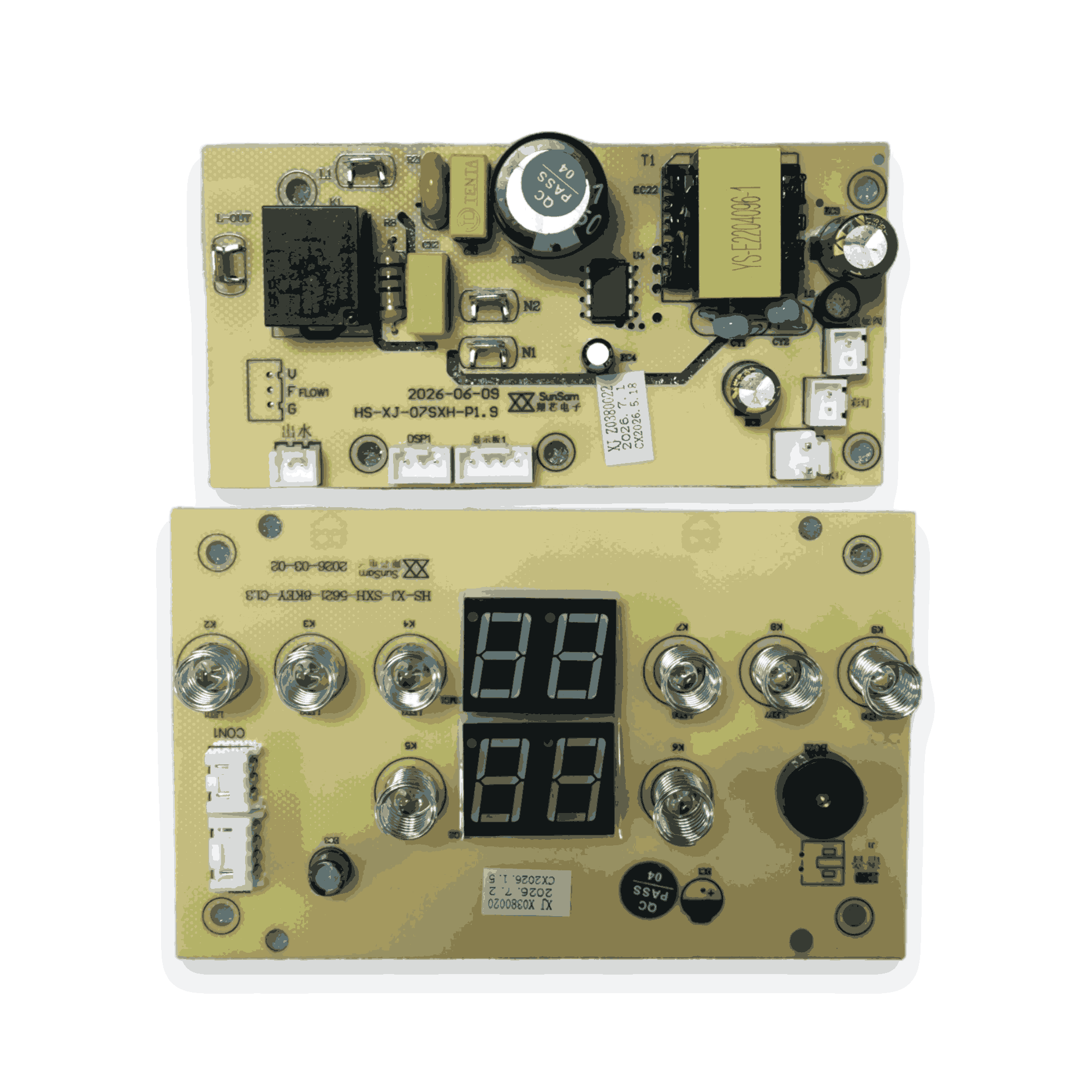
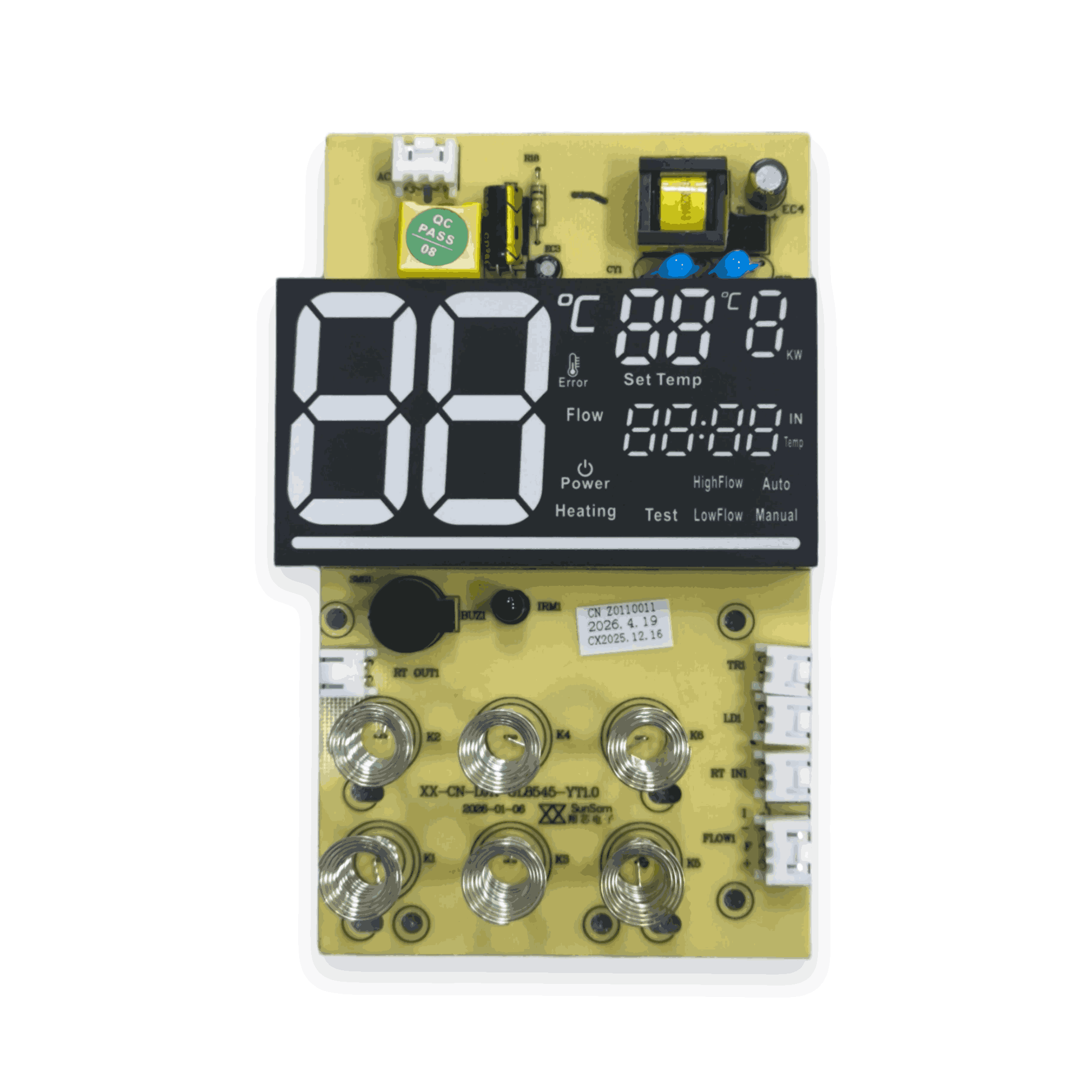
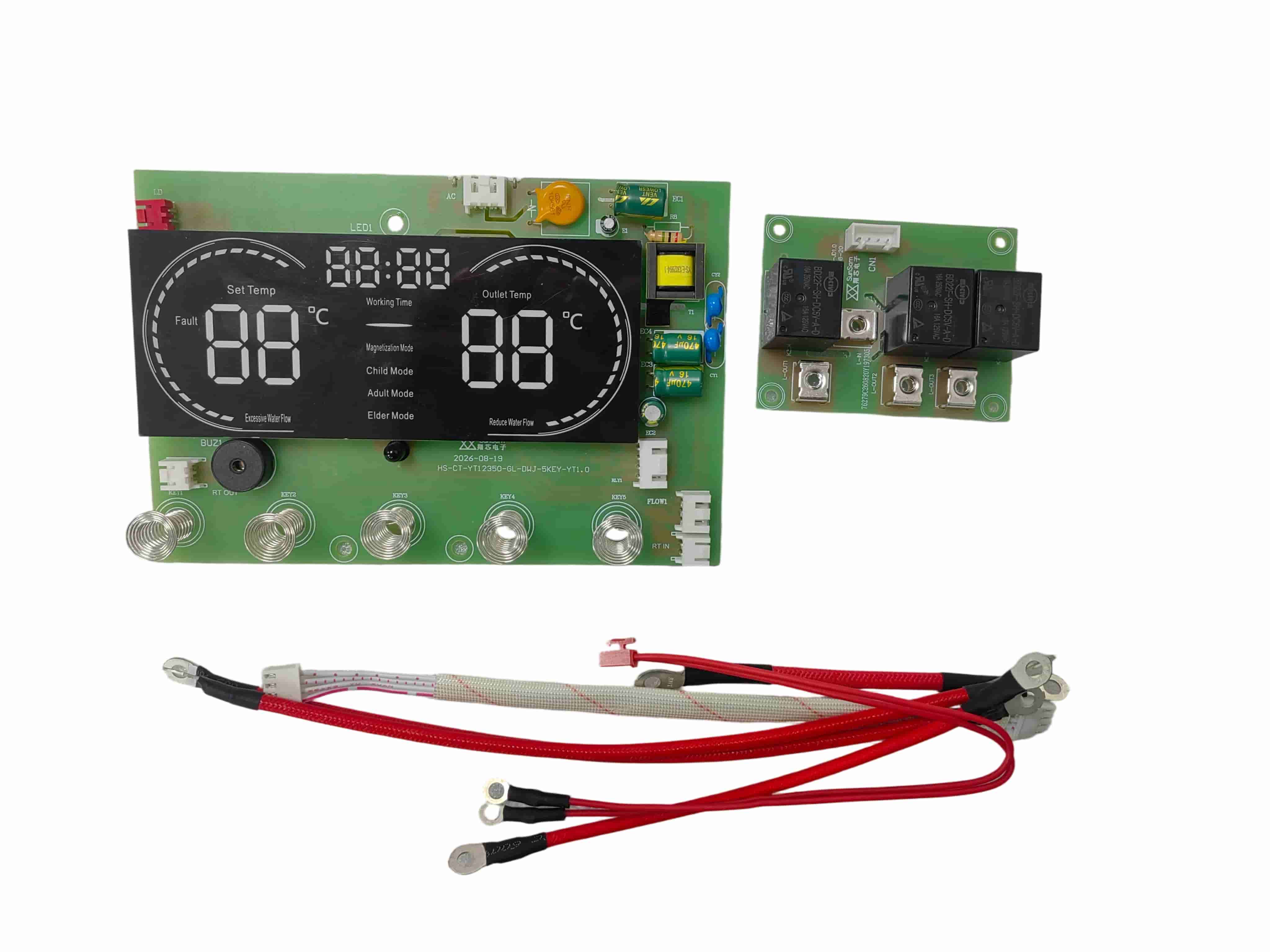
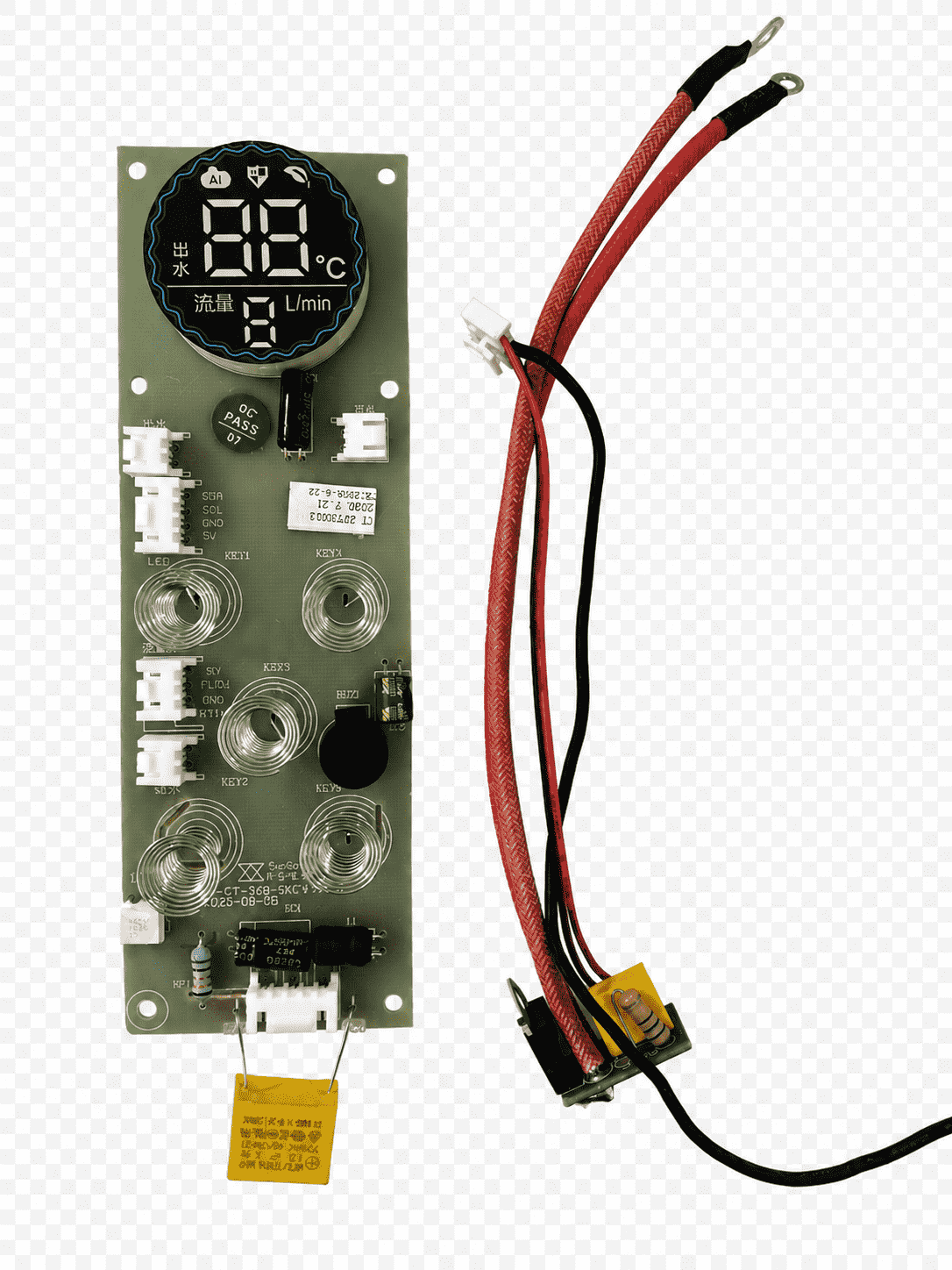
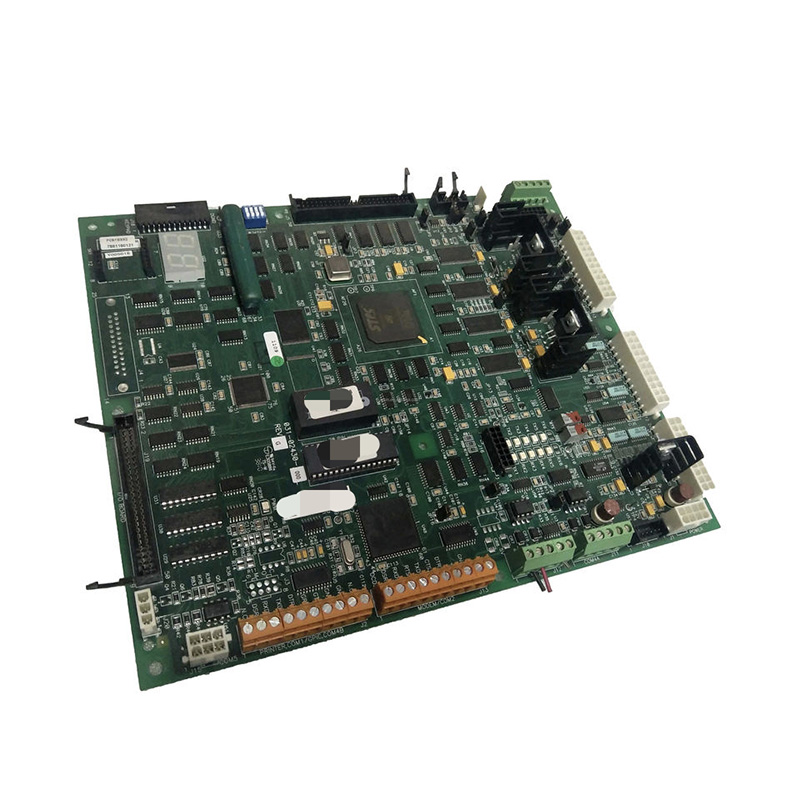
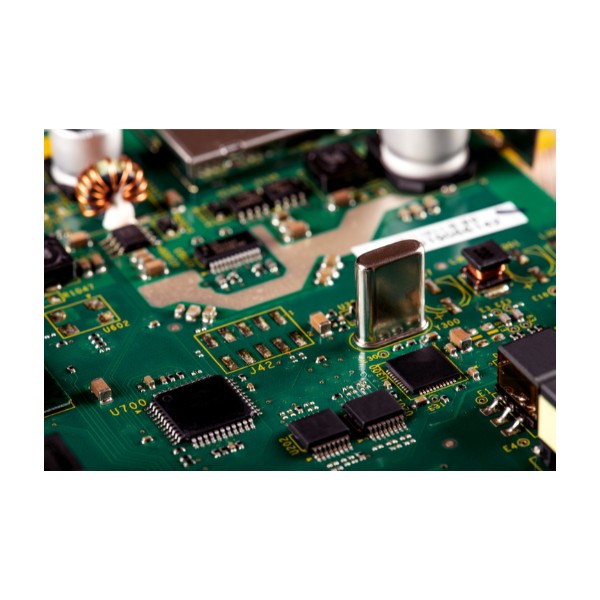
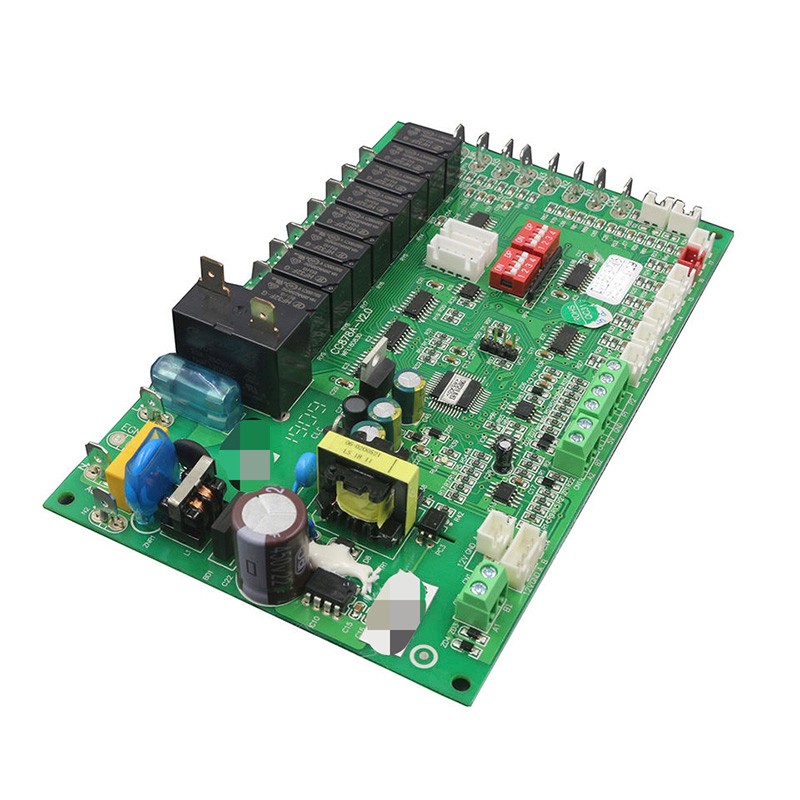
Design requirements for the customized Chiller PCBA varies widely according to the final use. SAMSUN factory’s ability in PCBA design is shown in the way that they change boards for different environments.
Industrial process chiller PCBA: these are used in the making of things like plastic molds and lasers cutters. PCBA should be able to bear the vibrations of the factory floor and large thermal loads. When you buy a Industrial Process Chiller PCBA, you are getting something that lasts through hard use and has smart logic to keep working all the time.
Laboratory circulating chiller PCBA: precision counts. These PCBA designs handle keeping very close to the same temperature, usually in tiny bits of a degree, because those kinds of jobs need it, like testing parts that make computer chips or making things with chemicals in big pots that must stay at just the right warmth. PCBA design from Samsung on these units prioritizes accuracy in sensor feedback and smooth, reactive control algorithms.
HVAC System Chiller PCBA: Governing large-scale building cooling, these boards control large-capacity compressors and perform complex system diagnostics. A sturdy HVAC System Chiller PCBA has to coordinate many subsystems well. SAMSUN's take on this PCBA design frequently involves communication protocols so as to fit into larger building management networks.
Key Points in PCBA Design and Selection
A well-engineered chiller PCBA does more than just switching its components on and off. It typically makes use of the more complex PID (proportional - integral - derivative) control algorithms to make dynamic adjustments like compressor speed and valve positions, etc., based on the instantaneously received temperature feedback. This stops overly much cycling, improving the efficiency of energy usage. Moreover, a physical PCBA needs to survive its operating climate - which could mean conformal coating to deal with humidity or selecting parts rated for higher (or lower) temperatures.
For procurement teams, assessing a Chiller PCBA means looking past the board. it needs to understand the supplier's ability to design according to certain control sequences, environmental resistance, and long-term maintainability. And so the choice of a Chiller PCBA partner has direct bearing on how reliable and cost effective for its lifecycle the chiller unit it commands will be.


 Whatsapp