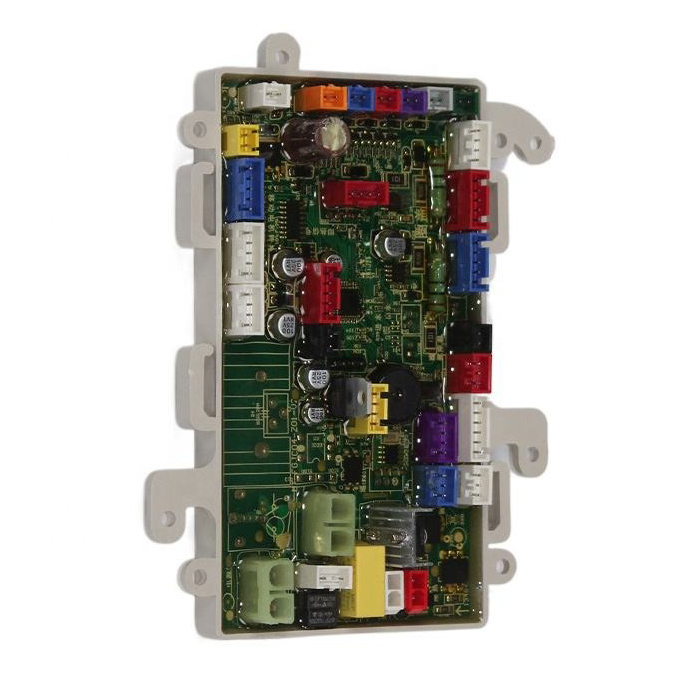
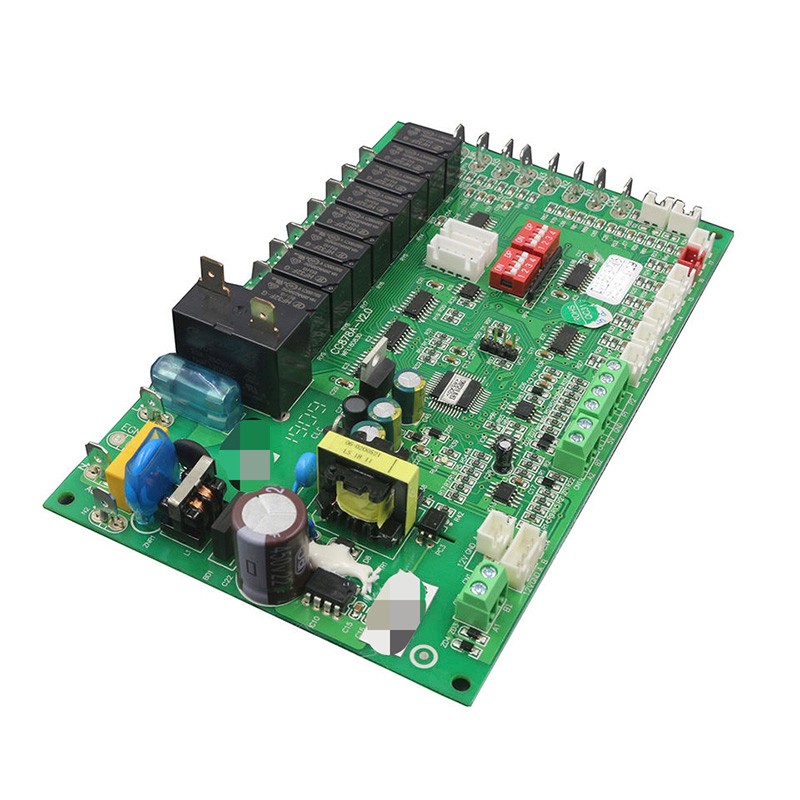
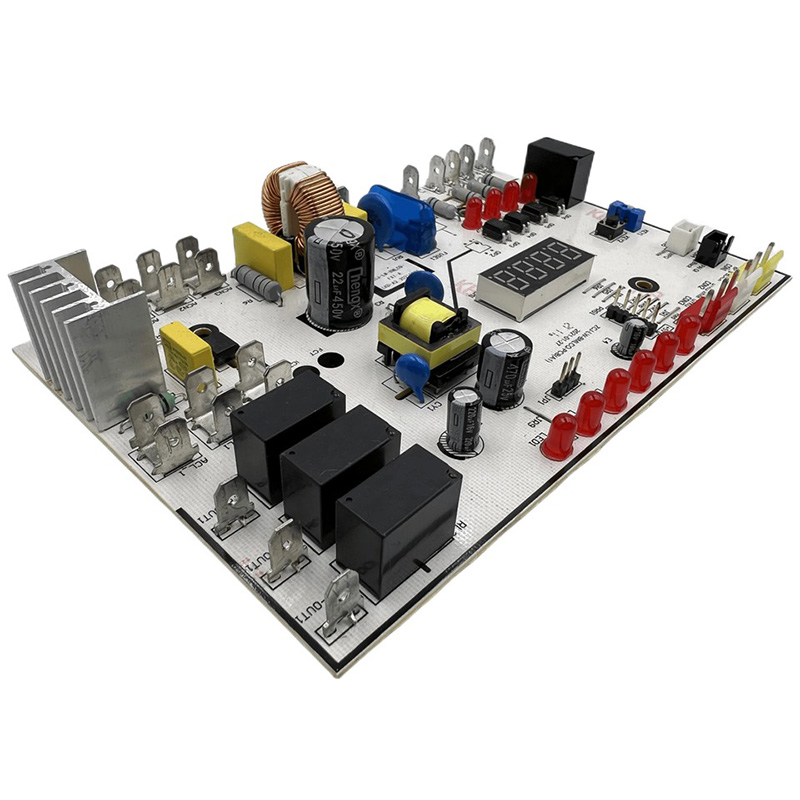
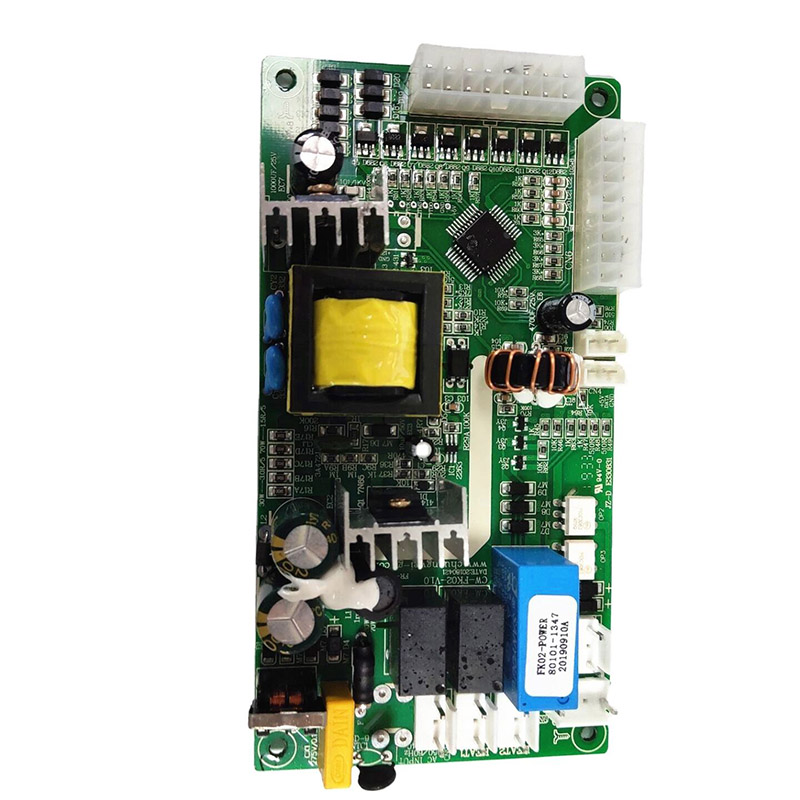
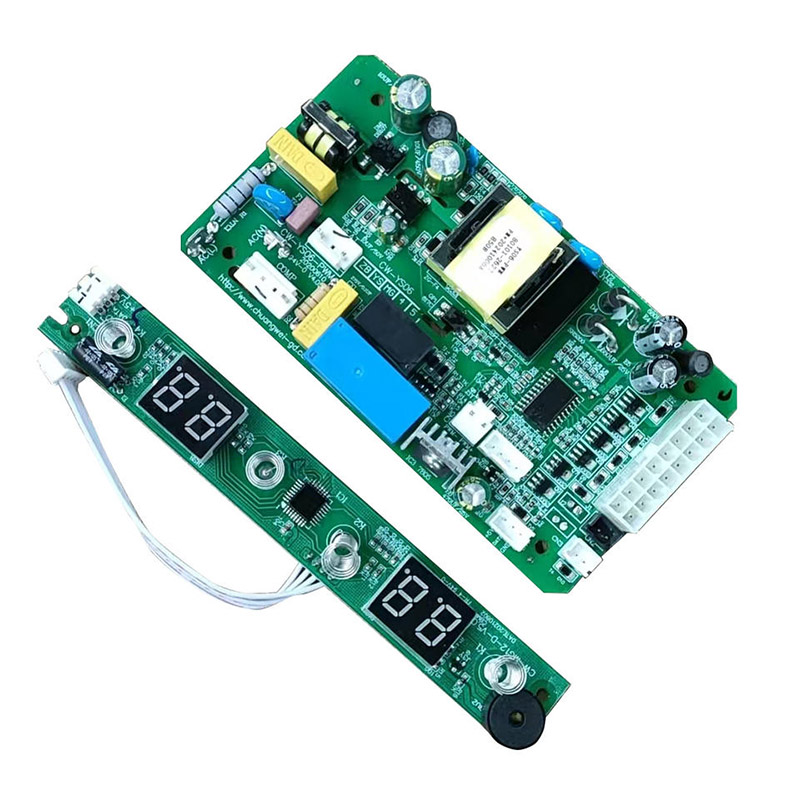
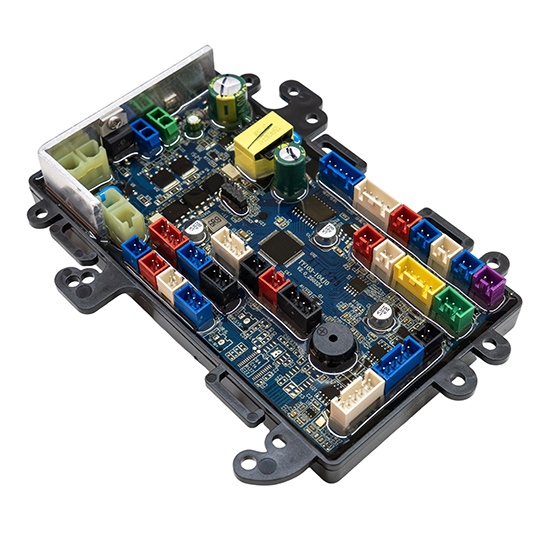
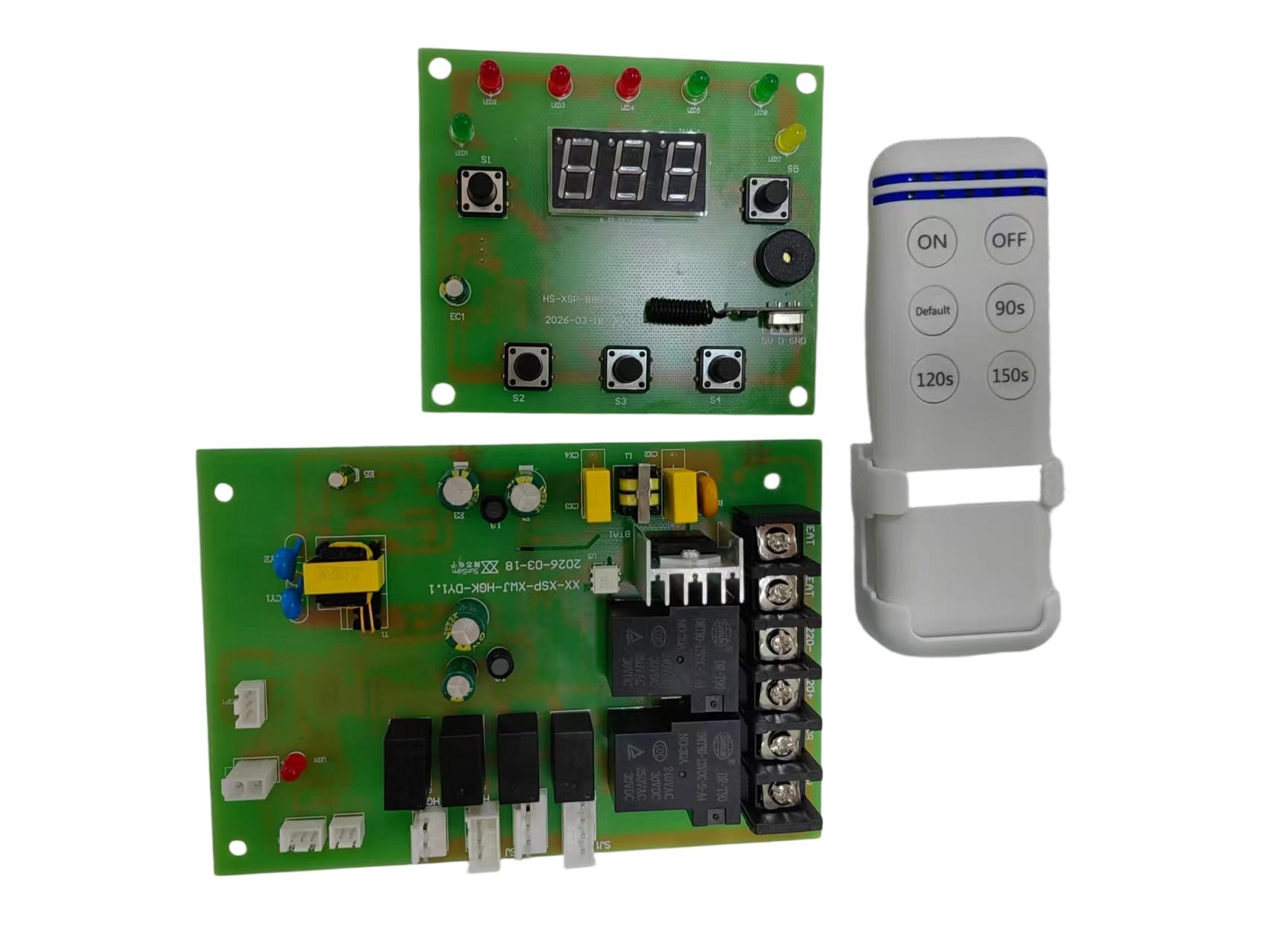
With years of experience in production PCBA, SUNSAM factory can supply a wide range of Washing Machine PCBA, which can meet many applications, if you need, please get our online timely service about it. In addition to the product list below, you can also customize your own unique and high quality Washing Machine PCBA according to your specific needs.
Product Features
Managing Complex Functional Integration
The sequence of operation of a cleaning appliance is complex. A wash cycle is a wash cycle is a wash cycle is a wash cycle. Timing is everything. Timing is everything is everything. Filling, heating, agitating, draining, spinning. The primary PCBA has to effortlessly incorporate control for motors, valves, heaters, and sensors. Additionally, as smart home technology has increased in prevalence, many boards now oversee Wi-Fi and advanced user interface technologies. When it comes to sourcing a Smart Toilet PCBA, what you’re really getting is not just a circuit board; you are getting an advanced control system intended for specific automated functions. SUNSAM’s integrated design approach which involves all of these complications and issues that arise in order to make one system to be compatible with all types of different machines.
Durability for long-term use
Consumers want their cleaning appliances to last a long time. And this long service life puts some special demands on the inside electronics. The PCBA has to be made to handle thermal changes caused by heating parts, electrical needs from pumps and motors, and the regular wear from being used often. Like strong solder connections and smart positioning of parts are things that help make an assembly last a long time. When businesses are buying many control boards from the same maker, knowing what the maker thinks about how strong their products are is a very important part of the buying process.
The right PCBA for your appliance project needs the manufacturer to have experience with the particular challenges of that industry. SUNSAM’s PCBA design capabilities are finely honed for the exacting demands of cleaning technology, from a smart toilet’s PCBA, to a high-power washing machine PCBA. Lots of analysis into supplier and their product portfolios, their design process is helpful for sourcing decisions.


 Whatsapp