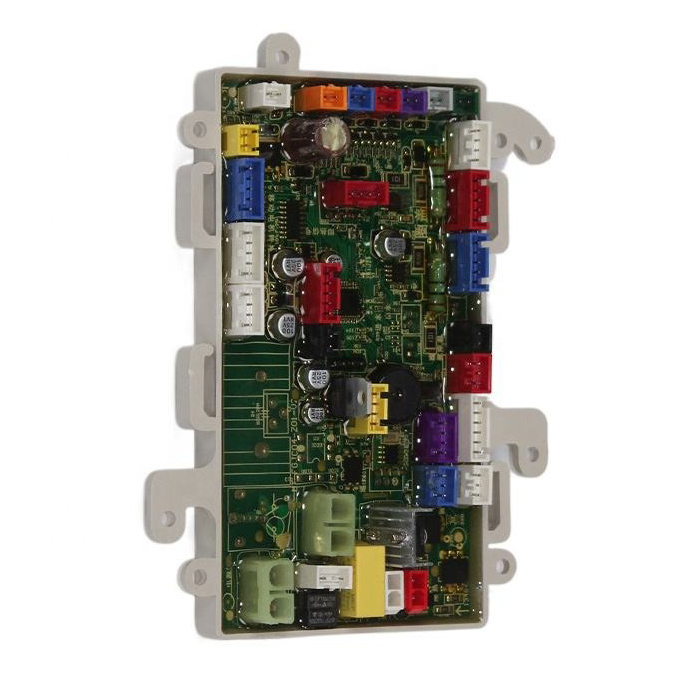
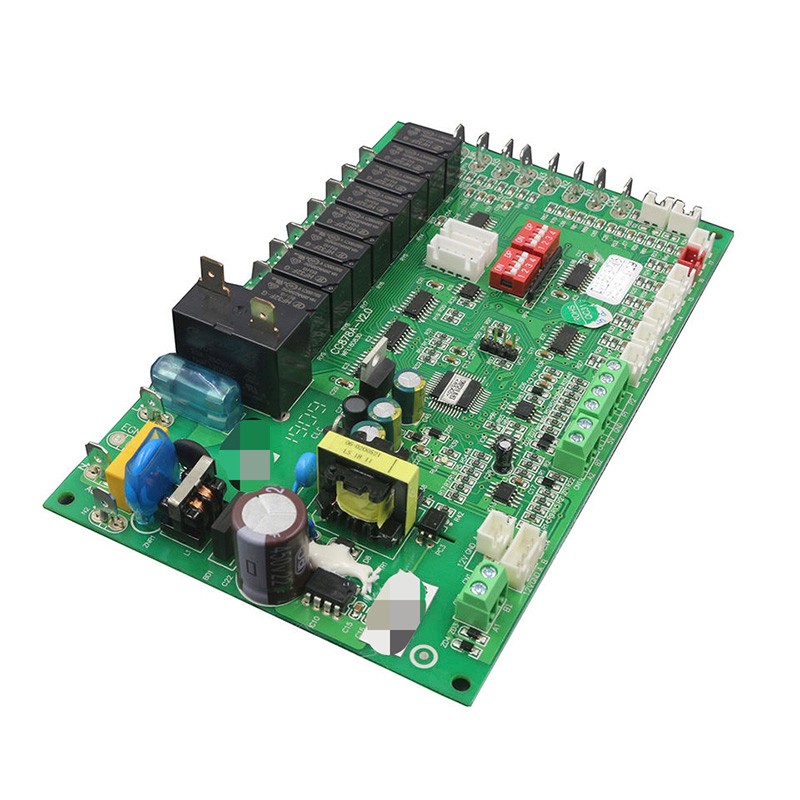
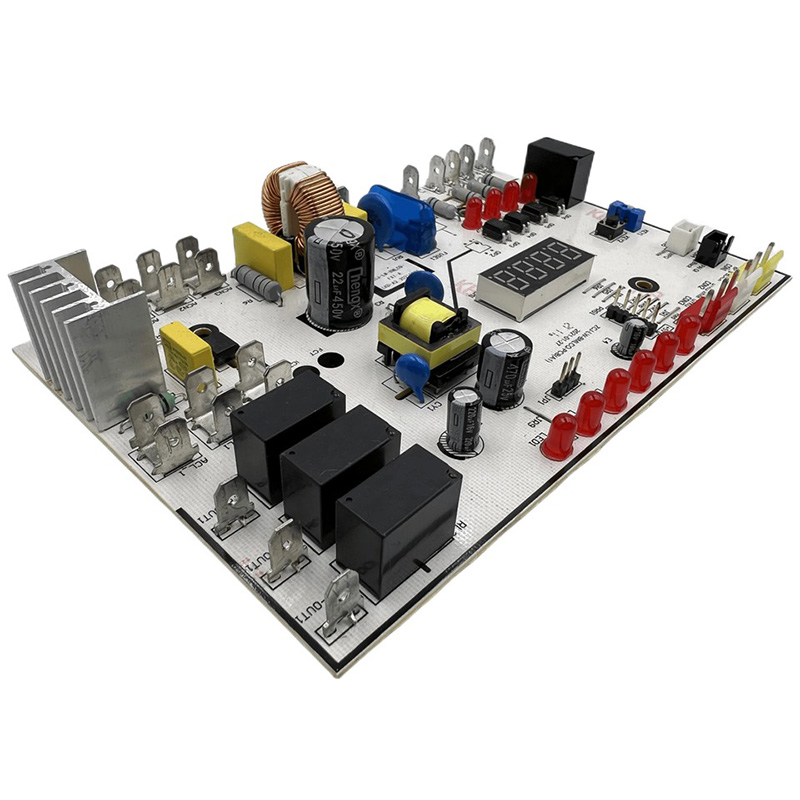
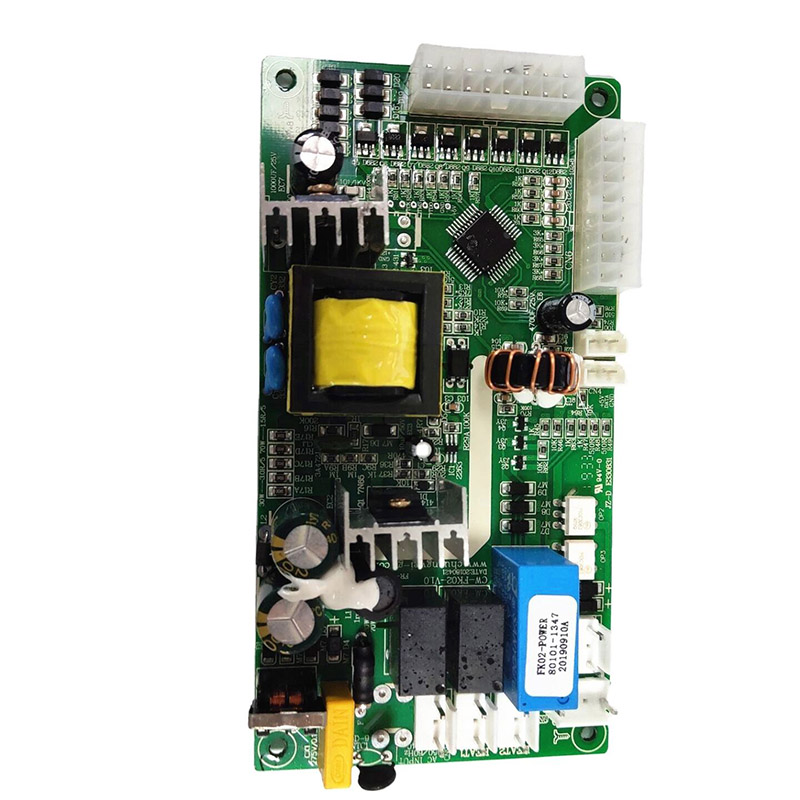
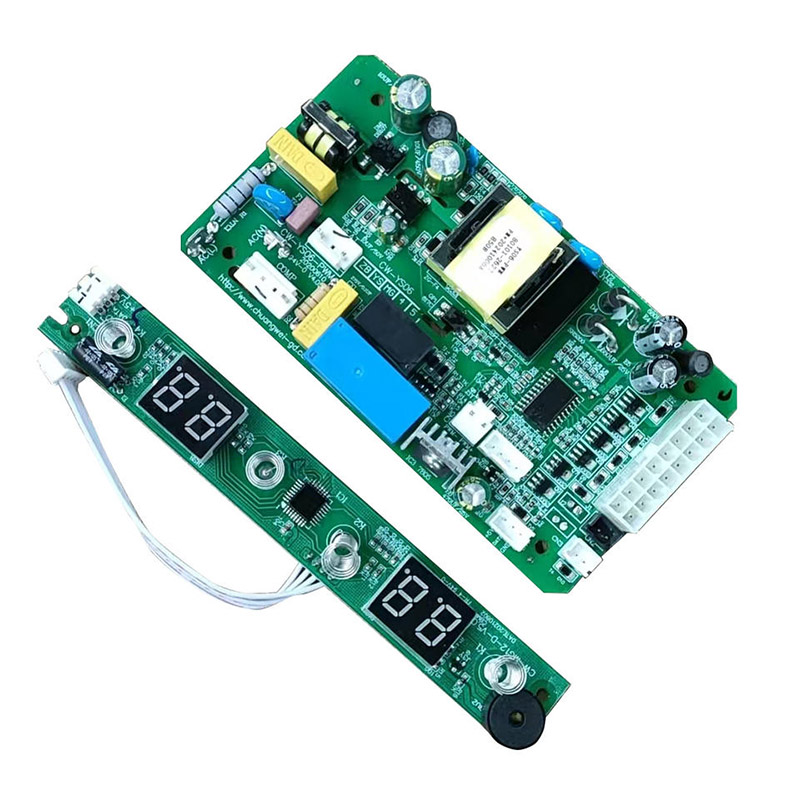
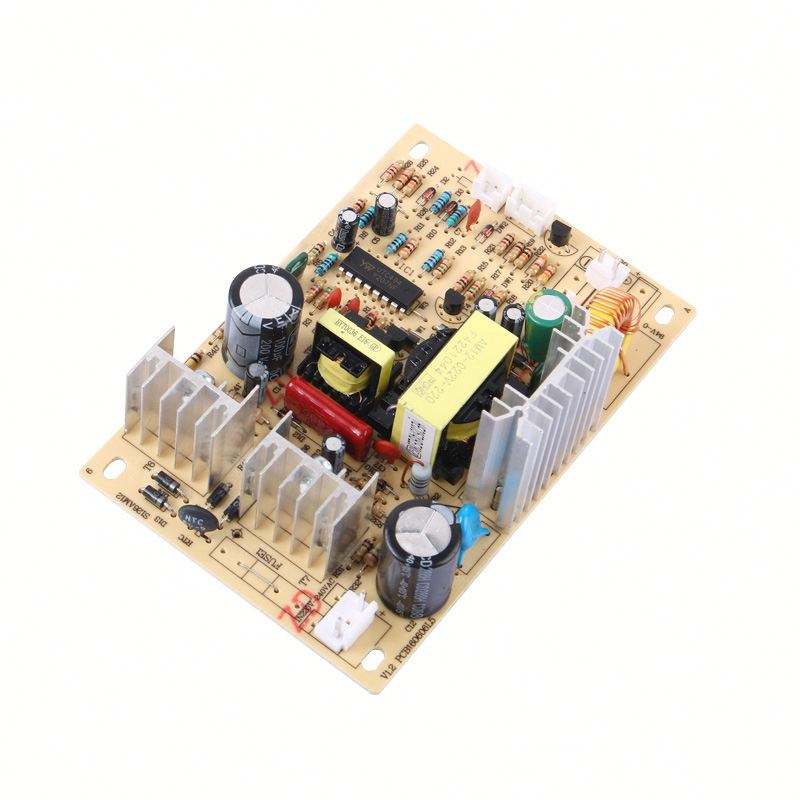
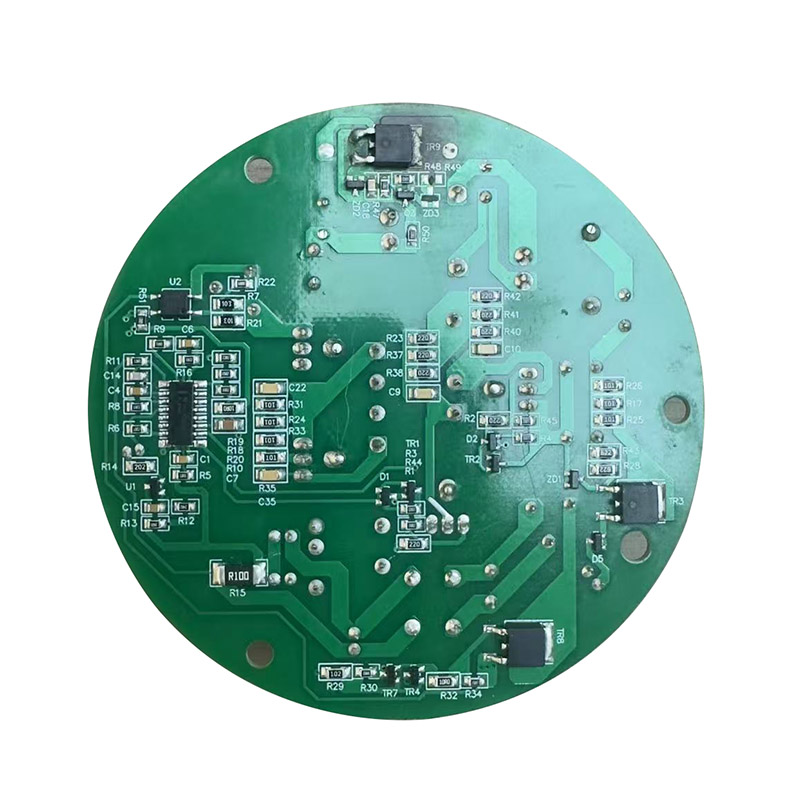
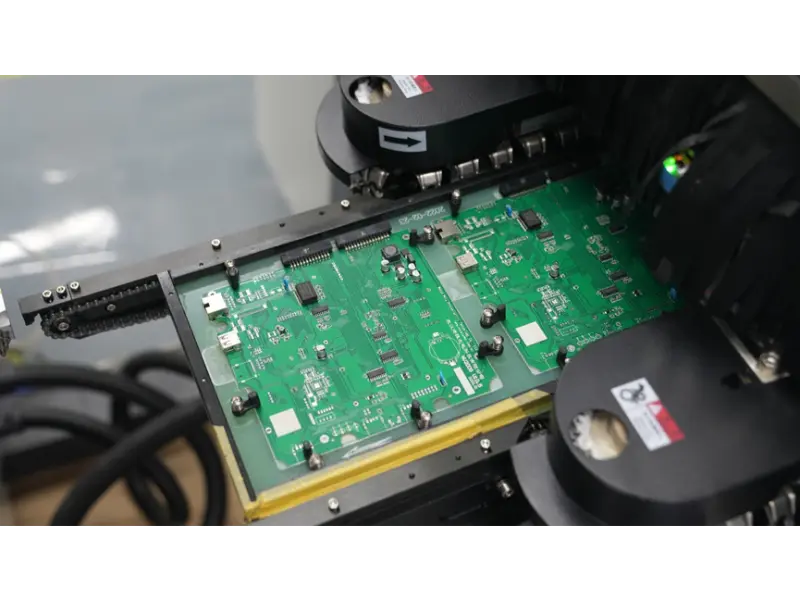
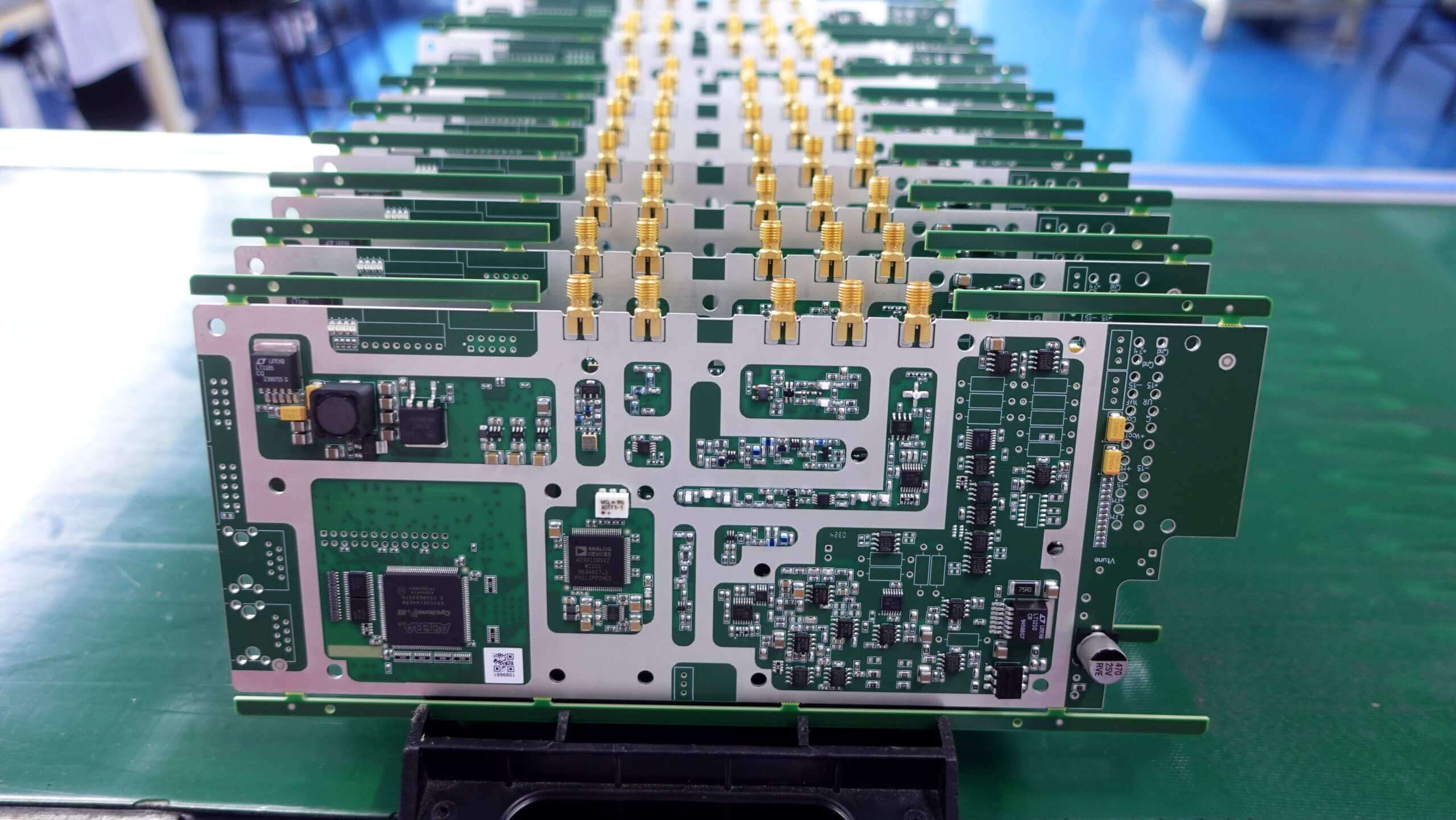
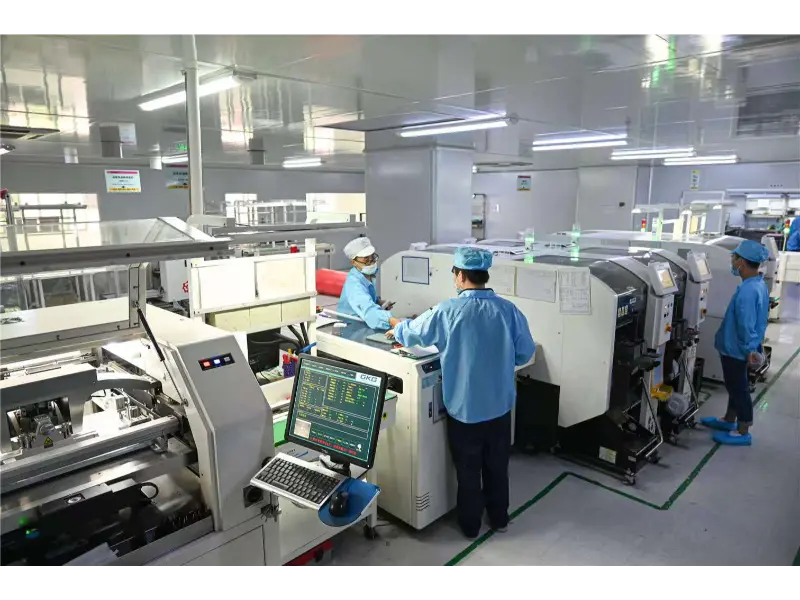
As the professional PCBA manufacturer, SUNSAM would like to provide you Water Dispenser PCBA. And we will offer you after-sale service and timely delivery.
Product types
Dispenser designs call for specific electronic control. Each type is for a certain kind of user interaction and technical need.
Bottled Water Dispenser PCBA: This is found on office/home dispenser that use the inverted water bottle. The PCBA of this design generally takes care of basic functions. Control modules are often set up for simple operation – the pumps that dispense and, in some cases, heating or cooling units are activated.
Bottom-Loading Water Dispenser PCBA: Bottom-loading water dispenser can load bottles at a lower position. They often add more sensing and control logic to the PCBA. It might be in charge of a more complicated water path, regulate an inner pump to draw water from the bottom reservoir, and have safety functions to avoid dry-run. Selecting the PCBA of this model needs to consider the motor control function.
Hot Cold Water Dispenser PCBA: This category has a more advanced level of thermal management. A hot and cold water dispenser PCBA needs to control at least 2 different temperatures. It governs the heating element for hot water and the thermoelectric cooling module or compressor for chilled water. The board’s design must deal with the heat from those parts, just like how bigger electronics design has to think about keeping things cool. Circuits and components on this PCBA's layout is important for it to work safely and efficiently.
SUNSAM's Approach to PCBA Design
SUNSAM is about the application-specific requirements of the water dispenser electronics. Our PCBA design process starts with a good knowledge of the mechanical layout and end-user functions of the dispenser. For SUNSAM, a good board is one which matches its electrical performance to the physical and thermal environment of the final appliance.
We think about things like where the connectors are placed so it’s easy to put together in a factory, how the lines that carry electricity are routed to avoid getting in the way of moving parts, and what kind of parts we choose based on how long we expect a regular person’s or business’ machine to work. When you buy a SUNSAM PCBA, you get a board made to work in the world. We design in a way that allows our control modules to fit nicely into the development timeline of your product.
Key considerations of your project
Examine the logic of the user interface controls. Additionally, assess the supplier’s process for testing the assembled board. Testing the assembled board is crucial to making sure it’s a consistent quality before it ends up being part of your dispenser. Who you get your PCBAs from like SUNSAM will greatly affect how fast it is, how easily you can get it onto shelves.


 Whatsapp