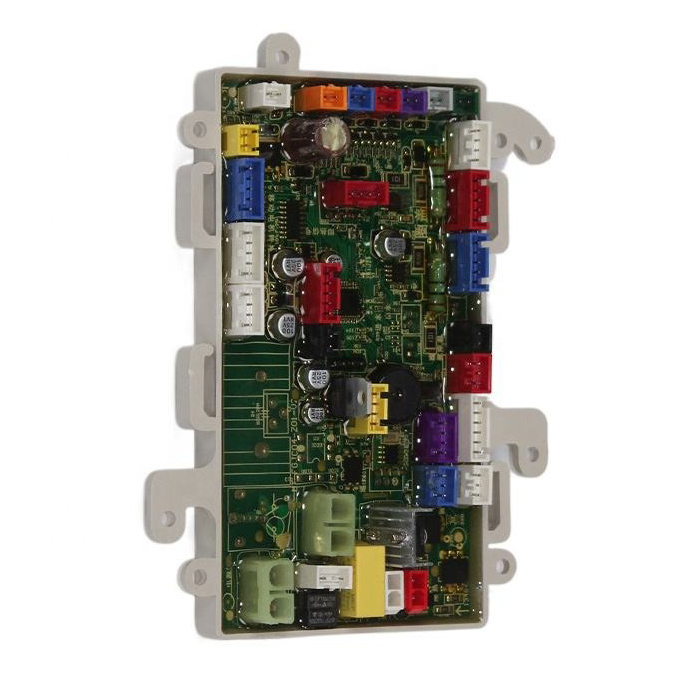
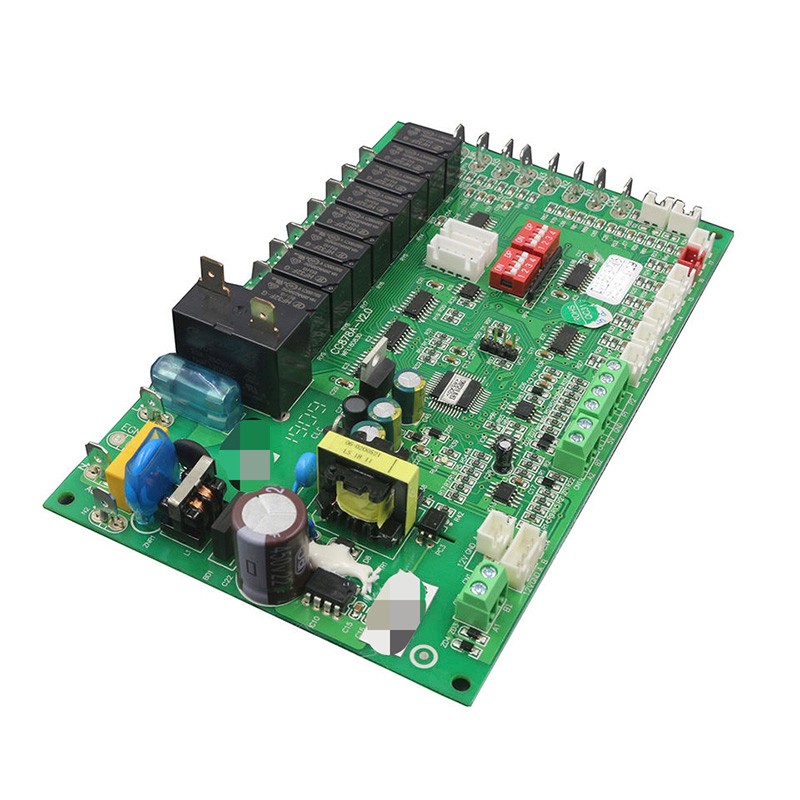
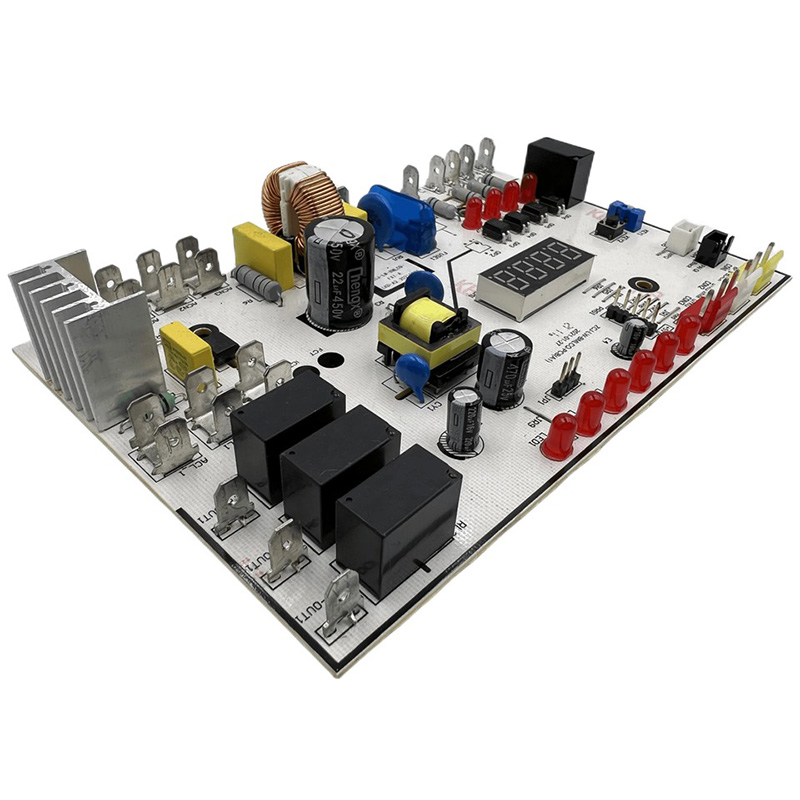
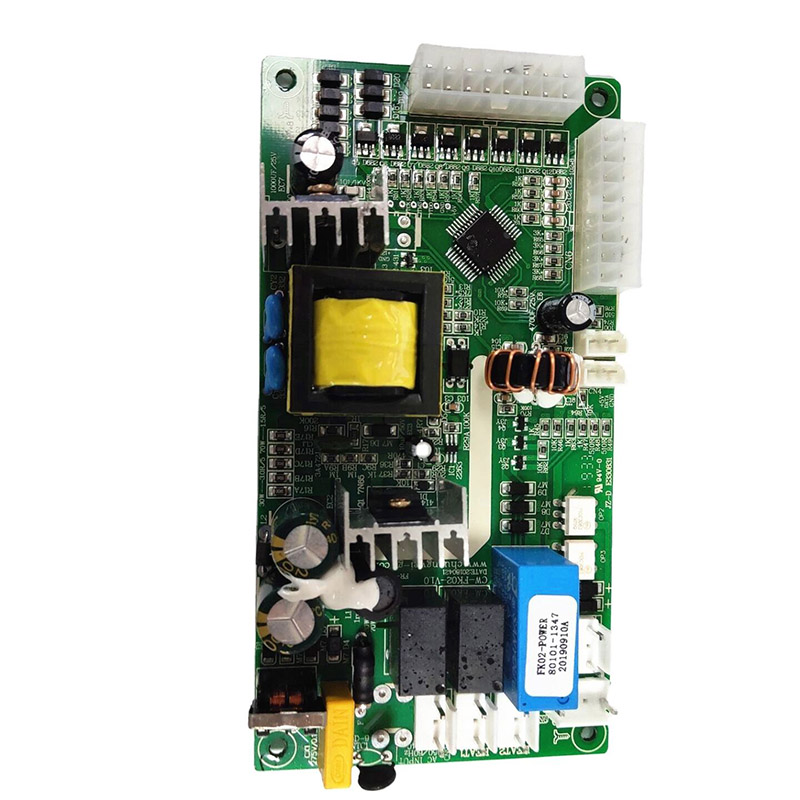
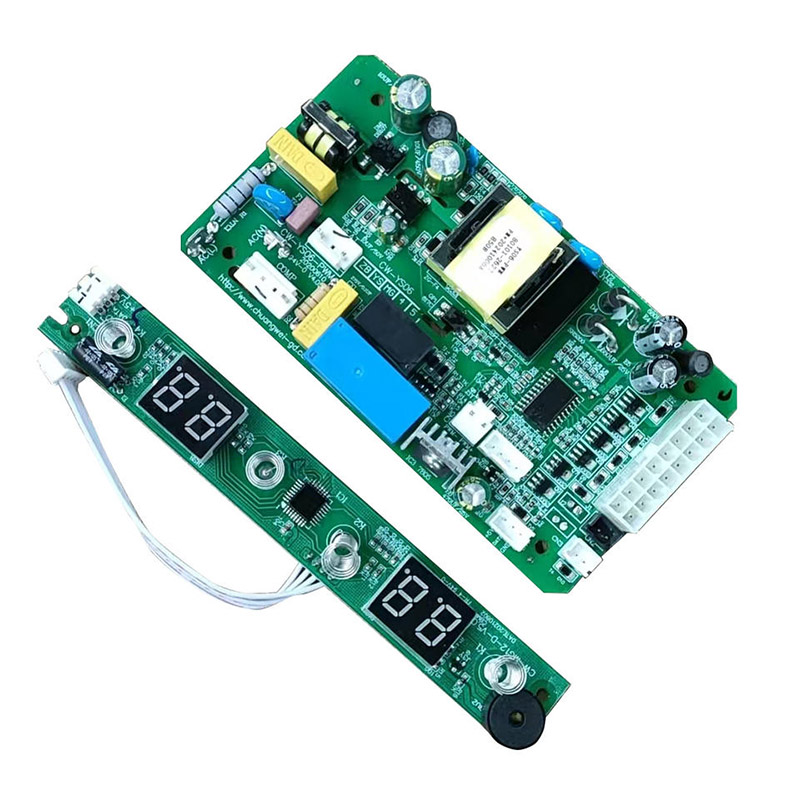
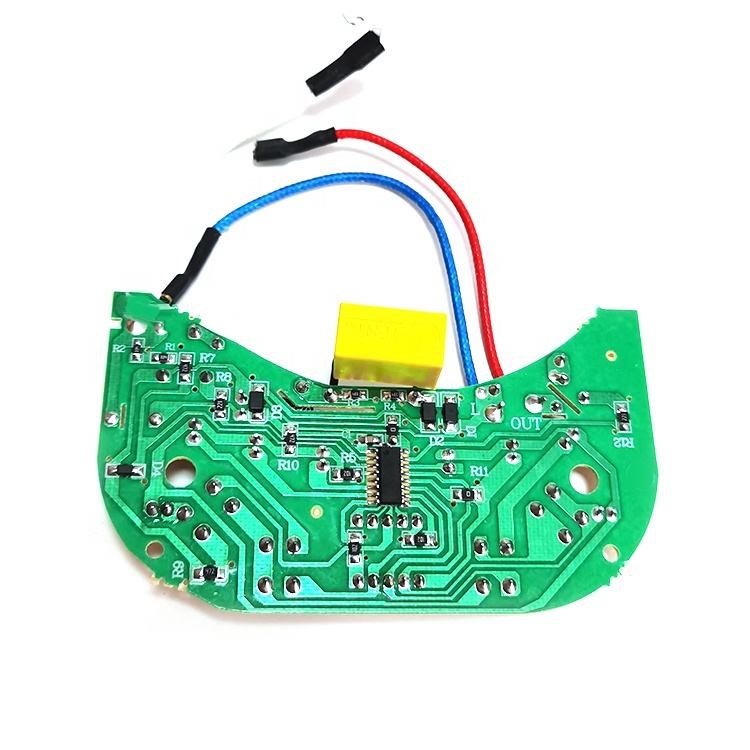
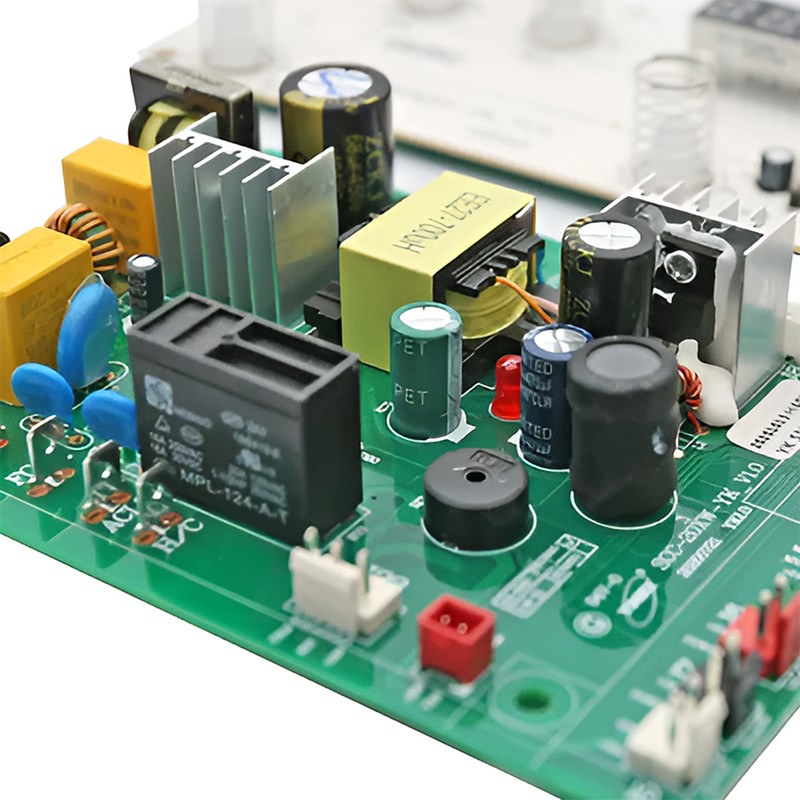
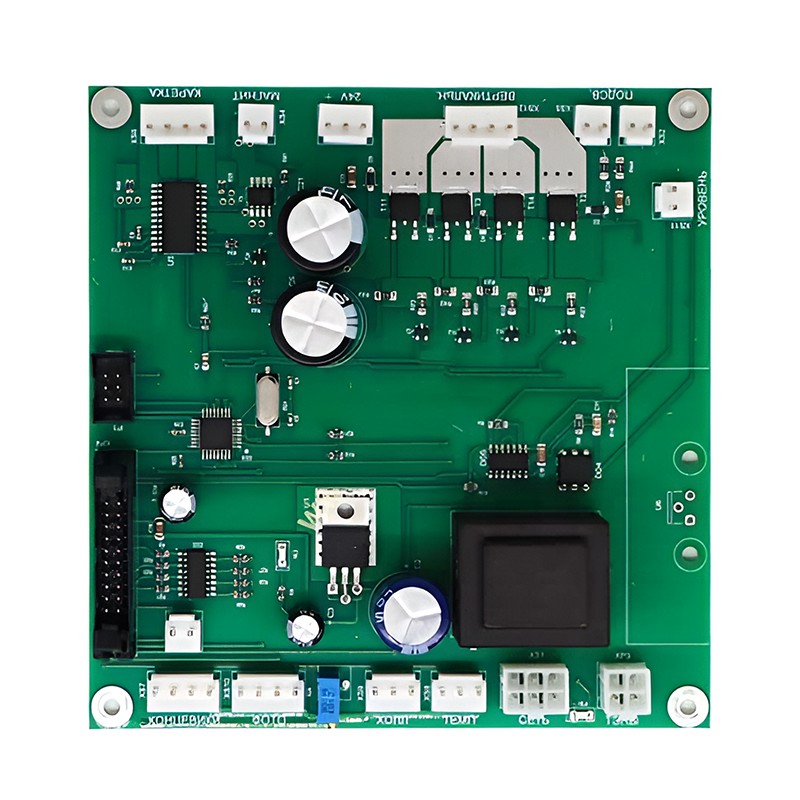
Looking for a high quality electric kettle PCBA supplier? SUNSAM is your quality manufacturer from China, offering customized solutions, products in stock, free samples, and wholesale quotations.
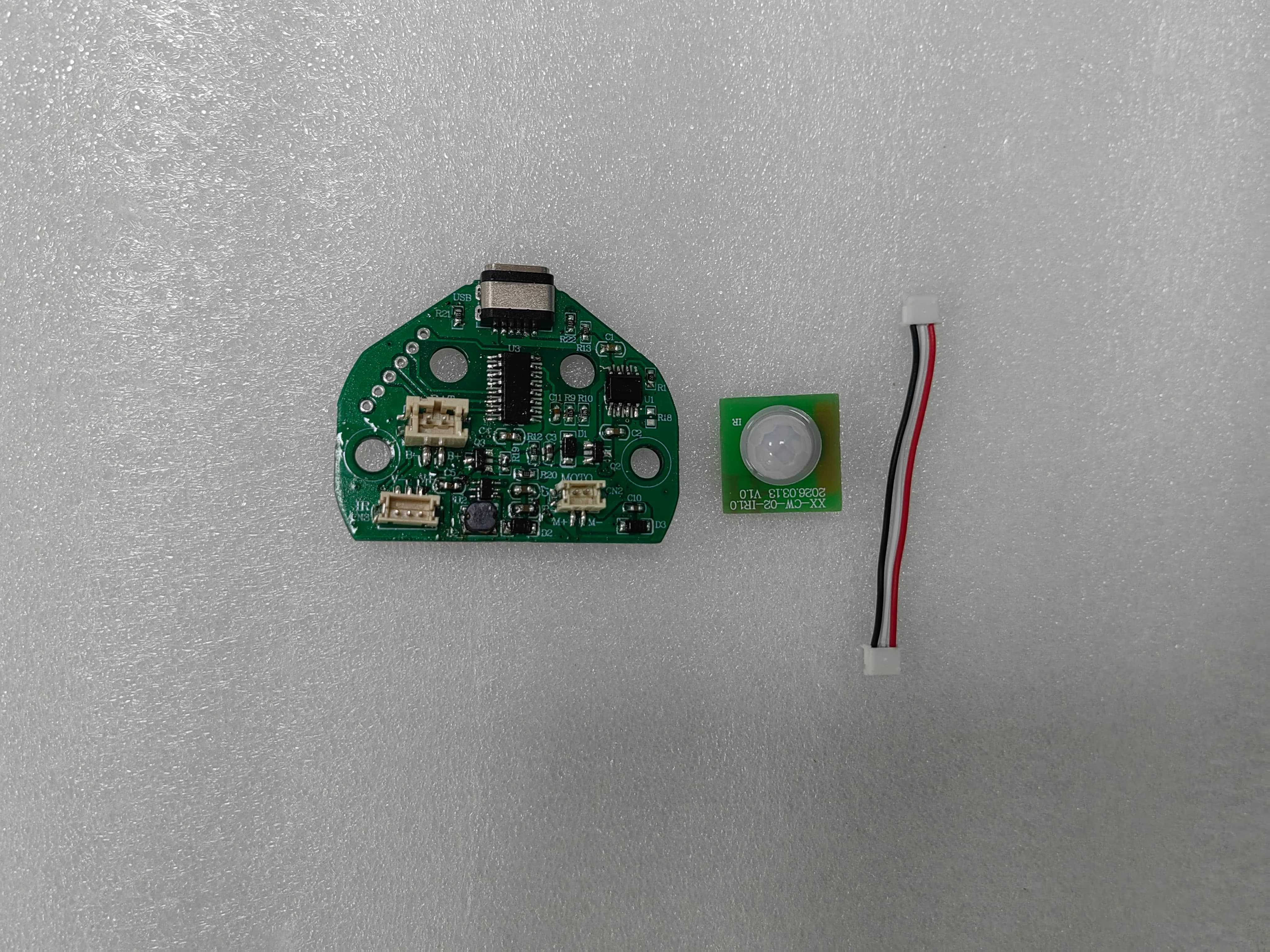
When you use an electric kettle, the quiet hum and the automatic shut-off are managed by a crucial internal component: the Printed Circuit Board Assembly, or PCBA. This is the assembled board that controls heating, safety, and user interface functions-1. For businesses looking to source or develop a new kettle model, understanding the variations in kettle PCBA design is a fundamental first step.
PCBA for Material-Specific Designs
The choice of kettle body material directly influences the PCBA design and required protections.
Stainless Steel Electric Kettle PCBA: For this common and durable material, the PCBA often deals with managing high power for fast boiling. The design must account for efficient heat dissipation and electromagnetic compatibility within the metal body. When you procure a PCBA for a stainless steel kettle, it needs a robust design to handle the operational environment.
Glass Electric Kettle PCBA: This presents unique aesthetic and technical opportunities. A glass kettle PCBA might be paired with lighting elements to highlight the water. From an engineering perspective, the board may interface with heating elements bonded directly to the glass surface-8. The design must be precise to ensure safety and perfect synchronization with the transparent body. SUNSAM has experience in creating circuit layouts that complement the elegant design of glass appliances while maintaining all functional requirements.
The Intelligence Behind Modern Kettles
Moving beyond basic boiling, advanced features are governed by specialized PCBA designs.
Smart Temperature Control Kettle PCBA: This is a sophisticated assembly. It integrates microcontrollers and precise temperature sensors (like PT100 or digital sensors) to monitor water temperature in real-time-3-6. The PCBA uses this data with algorithms to allow users to select and maintain specific temperatures for different beverages. Designing a smart temperature control PCBA requires careful programming and selection of components that can deliver consistent, accurate readings. For brands aiming to offer this feature, partnering with a PCBA designer like SUNSAM can help navigate the integration of user interfaces, connectivity modules, and precise thermal management.
The Role of Specialized Design
Creating a successful electric kettle involves more than just assembling components. It requires a PCBA design that considers the entire product ecosystem—the material of the body, the type of heating element, user safety features, and the desired market position. This is where focused expertise adds value. SUNSAM approaches each kettle PCBA project by analyzing these factors, aiming to produce a board that is not only functional but also manufacturable and cost-effective. Their design capability spans from the initial schematic for a basic model to the complex layout of a fully smart temperature control system.


 Whatsapp