News

What Is a Laboratory Circulating Chiller PCBA and Why Does It Matter for Precision Temperature Control

2026-02-05 0 Leave me a message

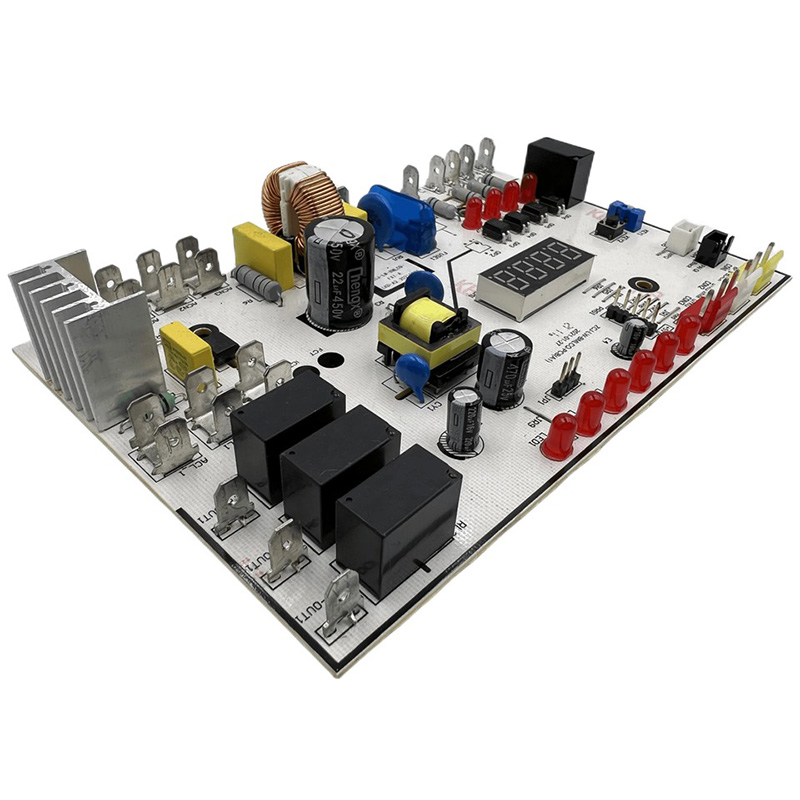
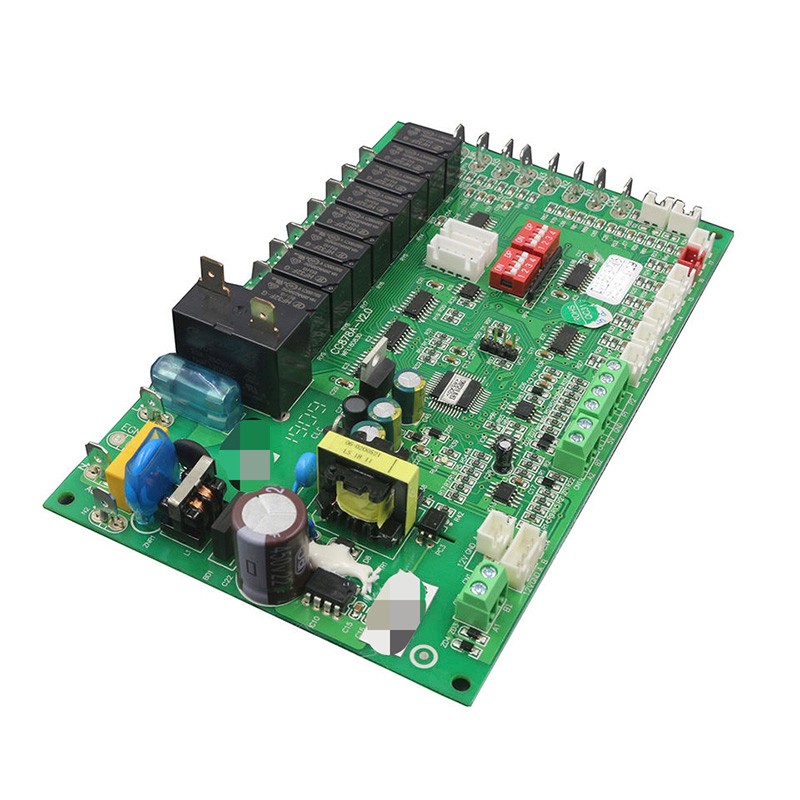
A Laboratory Circulating Chiller PCBA is the core electronic control system that determines how accurately, reliably, and safely a laboratory chiller operates. From temperature regulation and pump control to sensor feedback and system protection, the quality of the PCBA directly impacts experimental stability and equipment lifespan. This article provides an in-depth explanation of laboratory circulating chiller PCBA functions, components, design challenges, and manufacturing standards, helping laboratories and equipment manufacturers make informed decisions.

Laboratory Circulating Chiller PCBA

Table of Contents


1. What Is a Laboratory Circulating Chiller PCBA?

A Laboratory Circulating Chiller PCBA (Printed Circuit Board Assembly) is the assembled electronic board responsible for controlling and monitoring all critical functions of a laboratory circulating chiller. It integrates microcontrollers, power circuits, sensors, communication interfaces, and protection modules into a single intelligent system.

Unlike consumer cooling devices, laboratory chillers require high precision, continuous operation, and long-term stability. The PCBA ensures that temperature setpoints are maintained within tight tolerances, often ±0.1°C or better.


2. Why PCBA Is the Brain of a Laboratory Chiller

In a laboratory circulating chiller, mechanical components such as compressors, pumps, and heat exchangers perform physical cooling. However, without an intelligent PCBA, these components cannot operate safely or efficiently.

  • Controls compressor start/stop logic
  • Manages circulation pump speed
  • Processes temperature sensor feedback
  • Prevents over-current, over-temperature, and dry-run conditions

In short, the PCBA acts as the decision-making center that balances performance, safety, and energy efficiency.


3. Key Functions of Laboratory Circulating Chiller PCBA

Function Description
Temperature Control PID algorithms regulate heating and cooling outputs based on sensor input
Sensor Monitoring Reads temperature, pressure, flow rate, and liquid level sensors
Motor & Pump Control Controls circulation pump speed and compressor drive signals
Safety Protection Detects abnormal conditions and triggers alarms or shutdown
Human-Machine Interface Supports display panels, buttons, and touch screens

4. Core Components Used in Chiller PCBAs

A high-quality laboratory circulating chiller PCBA uses carefully selected components to ensure reliability under continuous operation.

  • Microcontroller (MCU) – Executes control algorithms
  • Power Management ICs – Regulate voltage and current
  • Temperature Sensors – PT100, NTC, or digital sensors
  • Relays / Solid-State Relays – Switch high-power loads
  • Communication Interfaces – RS485, CAN, or UART

Component quality directly affects long-term stability, especially in laboratory environments requiring 24/7 operation.


5. Design Challenges in Laboratory Chiller PCBA

Designing a laboratory circulating chiller PCBA is far more complex than general industrial control boards.

  1. Electromagnetic Interference (EMI) from compressors and motors
  2. Thermal Management of power components
  3. High Precision Signal Processing for sensors
  4. Long-Term Reliability under humid or corrosive environments

Professional PCBA manufacturers like SUNSAM address these challenges through optimized PCB layout, component derating, and strict validation testing.


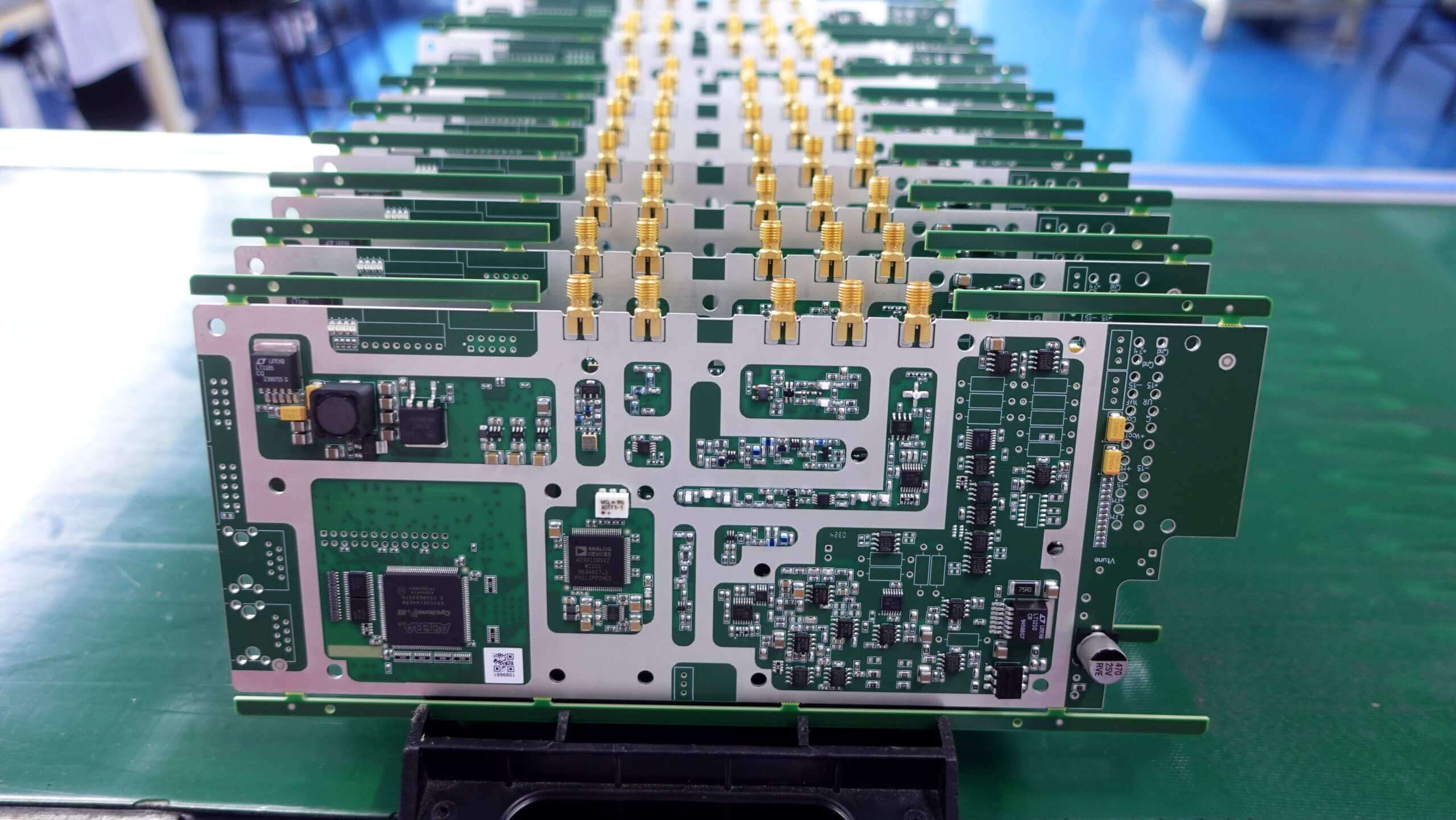
6. Manufacturing and Quality Standards

A reliable laboratory circulating chiller PCBA must comply with international manufacturing and quality standards.

Standard Purpose
ISO 9001 Quality management system
IPC-A-610 PCBA acceptability criteria
RoHS Environmental compliance
Functional Testing Ensures real-world operating performance

7. Custom PCBA vs Standard PCBA Solutions

Many laboratory equipment manufacturers choose custom laboratory circulating chiller PCBA solutions instead of generic boards.

  • Better compatibility with proprietary systems
  • Optimized control algorithms
  • Enhanced safety and monitoring features
  • Scalable design for future upgrades

Custom PCBA solutions also support branding differentiation and long-term product maintenance.


8. Why SUNSAM Is Trusted for Laboratory Circulating Chiller PCBA

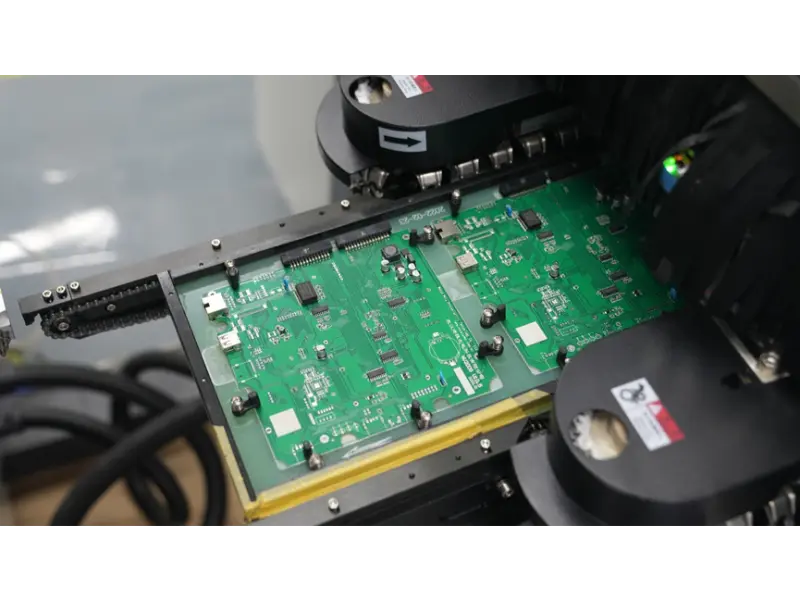
SUNSAM specializes in high-reliability PCBA manufacturing for laboratory and industrial cooling systems. With experience in precision control electronics, SUNSAM delivers:

  • End-to-end PCBA design and assembly
  • Strict component sourcing and traceability
  • Comprehensive functional and aging tests
  • Support for low-volume and mass production

These capabilities make SUNSAM a reliable partner for laboratory circulating chiller PCBA projects worldwide.


Frequently Asked Questions (FAQ)

Q1: What makes a laboratory circulating chiller PCBA different from industrial PCBAs?

Laboratory PCBAs prioritize precision, stability, and safety over cost, often using higher-grade components and tighter tolerances.

Q2: Can a custom PCBA improve temperature accuracy?

Yes. Custom PCBAs allow optimized sensor placement and PID tuning, significantly improving temperature control accuracy.

Q3: How long does a laboratory chiller PCBA typically last?

With proper design and quality manufacturing, a PCBA can operate reliably for 8–10 years or longer.

Q4: Does SUNSAM provide testing and validation?

Yes. SUNSAM performs functional testing, aging tests, and quality inspections to ensure consistent performance.


Conclusion

A Laboratory Circulating Chiller PCBA is far more than a circuit board—it is the intelligence that ensures precise temperature control, system safety, and long-term reliability. Choosing the right PCBA design and manufacturing partner is essential for laboratories and equipment manufacturers seeking dependable performance.

If you are looking for a reliable, customized laboratory circulating chiller PCBA solution, contact us today to discuss how SUNSAM can support your project from design to mass production.

Related News
Leave me a message
X
We use cookies to offer you a better browsing experience, analyze site traffic and personalize content. By using this site, you agree to our use of cookies. Privacy Policy
Reject Accept